
Crime & Conflict
Oyo Police Recover Large Cache of Suspected Explosives in Saki, Arrest Truck Driver


The security atmosphere in Oyo State took a dramatic turn recently after police operatives recovered 40 bags of materials suspected to be explosives from a DAF truck in the Sango area of Saki, a bustling border community in the northern part of the state. The discovery, made during a deliberate intelligence-driven operation, has raised several questions about the movement of hazardous materials across Nigerian borders, the role of transport networks, and the broader security implications for the region.
The operation, which occurred on January 24 at about 11:10 p.m., led to the arrest of Mutairu Yusuf, a 30-year-old truck driver from Atiru Compound, Chikanda in Kwara State. Reports indicate that the driver was transporting the concealed bags from Ibadan to Chikanda, a well-known border settlement close to Nigeria’s frontier with the Republic of Benin.
The Oyo State Police Command has since activated a comprehensive investigation in partnership with the Monitoring Unit and the Explosive Ordnance Disposal–Chemical, Biological, Radiological, and Nuclear (EOD-CBRN) Department to determine the nature, source, and intended destination of the suspected explosive materials.
This article provides a detailed analysis of the incident, contextual security concerns, reactions from residents and experts, and what this recovery means for the security grid in Oyo State and Nigeria at large.
The Interception: How Police Stopped the Truck
According to security insiders who spoke on the condition of anonymity because the investigation is ongoing, the interception was not a random checkpoint stop but a targeted intelligence-led operation. In recent months, security agencies have intensified surveillance on cargo transportation within Oyo, Ogun, and Kwara corridors following concerns about the movement of illicit materials.
At around 11:10 p.m., officers stationed around the Sango axis of Saki flagged down the truck after receiving a tip-off regarding suspicious cargo scheduled to pass through the route. The driver, Mutairu Yusuf, reportedly cooperated initially, but officers then discovered inconsistencies in his travel explanation.
When the truck was opened for inspection, officers discovered 40 tightly packed bags concealed under layered tarpaulins and general-purpose items often used to disguise sensitive cargo. Though the exact chemical composition of the materials is still undergoing forensic examination, officers suspected them to be explosive components based on packaging style and weight.
Realizing the sensitivity of the discovery, officers immediately sealed the area and called in specialized EOD-CBRN experts.
Driver’s Statement and Early Clues
During preliminary questioning, the driver stated that he had loaded the bags from Ibadan and was instructed to deliver them to Chikanda in Kwara State. He claimed to be unaware of the nature of the cargo, insisting he was only contracted to move “industrial materials.”
Security analysts, however, believe that the route and the style of packaging suggest otherwise. Chikanda is a border town known for high-volume commercial activities but also a transit point for smuggling networks due to the porous nature of Nigeria’s borders.
Experts note that:
- Hazardous materials are often moved through border towns because security checks are weaker.
- Concealment under tarpaulins is a common smuggling technique.
- Transporting potentially sensitive materials late at night is a known red flag for illicit logistics.
While the police have not concluded the driver’s level of awareness or involvement, he remains in custody as investigations deepen.
EOD-CBRN Team Steps In: What Happens Next
After securing the scene, the police summoned specialists from the Explosive Ordnance Disposal–Chemical, Biological, Radiological, and Nuclear (EOD-CBRN) unit. This elite unit is responsible for identifying, handling, and neutralizing explosive materials and hazardous substances.
Their tasks include:
- Conducting chemical tests on samples from the confiscated bags
- Determining if the materials meet explosive criteria
- Tracing the supply chain and possible sources
- Identifying buyers or intended recipients
- Assessing whether the materials pose immediate danger
Sources within the unit reveal that the process may take several days because the team must ensure safety protocols while examining the contents.
The police emphasized that results will be made public once verified.
Why This Discovery Matters: A Closer Look at Oyo’s Security Landscape
Oyo State—particularly Oke-Ogun, where Saki is located—has been facing increasing security challenges in recent years. These include:
- Cross-border smuggling
- Illegal mining
- Movement of prohibited goods
- Bandit activity spilling over from neighboring states
- Rising cases of transportation of dangerous materials
Saki, being a major link between Oyo, Kwara, and the Benin Republic, is an active business zone. However, its geographical advantage also makes it vulnerable.
Security watchers believe the recent recovery indicates a broader network of illegal material transportation operating through the region. The presence of explosives or explosive components raises additional concerns considering Nigeria’s ongoing security struggles.
Community Reactions: Fear, Confusion, and Heightened Awareness
Residents of Saki and surrounding communities expressed mixed reactions when the news broke. While many were relieved that the police intercepted the suspicious cargo, the discovery also triggered concerns about what might have happened if the truck had passed undetected.
A Sango trader who witnessed some of the aftermath said:
“We thank God the police stopped that truck. We don’t know why explosives will be passing through our community. Anything could have happened. It is scary.”
Another resident added:
“Saki is peaceful, but things like this show that criminals may be using our town as a passage. Government should increase security presence.”
Traditional rulers in Oke-Ogun reportedly commended the swift action of the police and urged authorities to further strengthen border surveillance.
The Broader Context: Movement of Explosives in Nigeria
The illegal transportation of explosives and related materials is not new in Nigeria. Over the years, law enforcement agencies have intercepted:
- Dynamite
- Improvised explosive device (IED) components
- Chemical mixtures used for illegal mining
- Industrial explosives diverted from licensed warehouses
Most of these materials fall into one of two illegal categories:
1. Explosives for Criminal Activities
Used by:
- Armed groups
- Kidnapping syndicates
- Saboteurs targeting infrastructure
2. Explosives for Illegal Mining Operations
As illegal mining spreads, some groups source explosives without following government regulations.
Given this context, the discovery in Saki raises serious questions about:
- Who ordered the materials?
- Were they meant for criminal groups?
- Are they linked to illegal mining in the North-Central region?
- Is there an emerging cross-border supply chain?
Investigators are exploring all possibilities.
Inside the Investigation: What Security Agencies Are Looking At
Though the Oyo State Police Command has not released full details, experts outline key areas investigators will focus on.
Origin of the Materials
Police will try to identify:
- The warehouse or facility in Ibadan where the materials were loaded
- The supplier or distributor
- Whether there was falsified documentation
Intended Destination
Chikanda’s proximity to Nigeria’s border makes it a strategic transit point. Officials will want to determine whether the materials:
- Were actually meant for Chikanda
- Were to be moved further across the border
- Were sought by criminal networks in Kwara, Niger, or Benin Republic
Financial Trail
Payments made to the driver or intermediaries may help uncover:
- Sponsors
- Buyers
- Logistics operators involved
Possible Link to Illegal Mining
Recent arrests across Southwest and North-Central Nigeria suggest that illegal miners often use smuggled explosives.
Any Potential Terror-Related Connection
While authorities have not suggested terrorism, investigators cannot rule out any possibility until chemical analysis is complete.
Government and Security Agency Response
The Oyo State Police Command assured the public that the situation is contained and that all security measures are being strengthened. They emphasized the importance of community vigilance as a key part of intelligence gathering.
A senior police source said:
“This successful interception shows the value of intelligence sharing. It also reinforces the need for communities to report suspicious activities. The materials recovered could pose serious risks if handled wrongly.”
Officials in Kwara State were also notified because the intended delivery location falls under their jurisdiction.
Why Chikanda Matters: A Border Town Under Pressure
Though small, Chikanda is widely considered one of Nigeria’s most active border points for both legal and illegal trade. Its location at the edge of Kwara State makes it a strategic route for:
- Transit goods
- Agricultural products
- Imported items
- Unregistered cargo
- Smuggling activities
Its porous nature makes it appealing to groups seeking to evade regulatory checks.
Security analysts point out that items such as fuel, chemicals, and restricted goods often pass through the Chikanda axis because:
- Security presence is limited
- Border monitoring technology is poor
- Community networks often protect smugglers
- Local economies depend on cross-border commerce
Therefore, the intercepted explosives could fit into a wider trend of border vulnerabilities.
Safety Risks: Why Transporting Explosives Is Dangerous
Transporting explosive material in an uncontrolled environment poses multiple risks:
- Accidental detonation due to heat or friction
- Road crashes leading to explosion
- Damage to nearby communities
- Environmental hazards
- Casualties among first responders
This is why Nigeria regulates explosives under strict laws requiring:
- Special licensing
- Police escorts
- Secure packaging
- Designated transportation routes
The absence of these protocols in the Saki incident underscores the urgency of this investigation.
Possible Scenarios Authorities Are Considering
Security analysts familiar with similar cases suggest authorities might be evaluating the following possibilities:
Scenario 1: Illegal Mining Consortium
The materials may have been intended for unlicensed mining operations in Kwara, Niger, or Kogi.
Scenario 2: Smuggling Network
The explosives could have been destined for buyers across the border.
Scenario 3: Infrastructure Sabotage or Criminal Use
Though not confirmed, explosives are sometimes used by criminal elements.
Scenario 4: Unauthorized Industrial Use
Some industries attempt to bypass regulatory control for cost reasons.
Until forensic reports are complete, these remain possibilities—not conclusions.
Expert Views: Security Analysts React
Security Brief Nigeria consulted independent analysts who shared insights on the development.
A counter-terrorism researcher noted:
“When explosives are transported without proper documentation, it becomes a national security issue. Even if the intention is illegal mining, the risks remain extremely high. Such materials can fall into the wrong hands.”
A border-security specialist added:
“Chikanda is a known pressure point. What we need is integrated border management using technology, not just manual checkpoints. This incident shows the gaps we still need to close.”
A Win for Intelligence-Led Policing
The success of this interception highlights the growing importance of intelligence-led policing in Nigeria. For years, security agencies have been shifting away from mass deployment of personnel toward:
- Surveillance
- Information flow from communities
- Digital tracking
- Inter-agency collaboration
This incident demonstrates how timely intelligence can prevent potentially dangerous materials from reaching unintended destinations.
Conclusion: A Serious Discovery with Far-Reaching Implications
The recovery of 40 bags of suspected explosive materials in Saki is more than a routine police operation—it is a window into the challenges of monitoring cross-border movement, illicit logistics networks, and the vulnerability of communities located along Nigeria’s borders.
While the investigation is ongoing, the incident underscores the need for:
- Stronger border policing
- Monitoring of chemical and explosive supply chains
- Community involvement in intelligence sharing
- Investment in security technology
- Inter-state collaboration
The Oyo State Police Command, working with specialized units, has reassured residents that the materials are secure and that officers are committed to uncovering the full story behind the transport operation.
Security Brief Nigeria will continue to monitor developments and provide verified updates as new information becomes available.

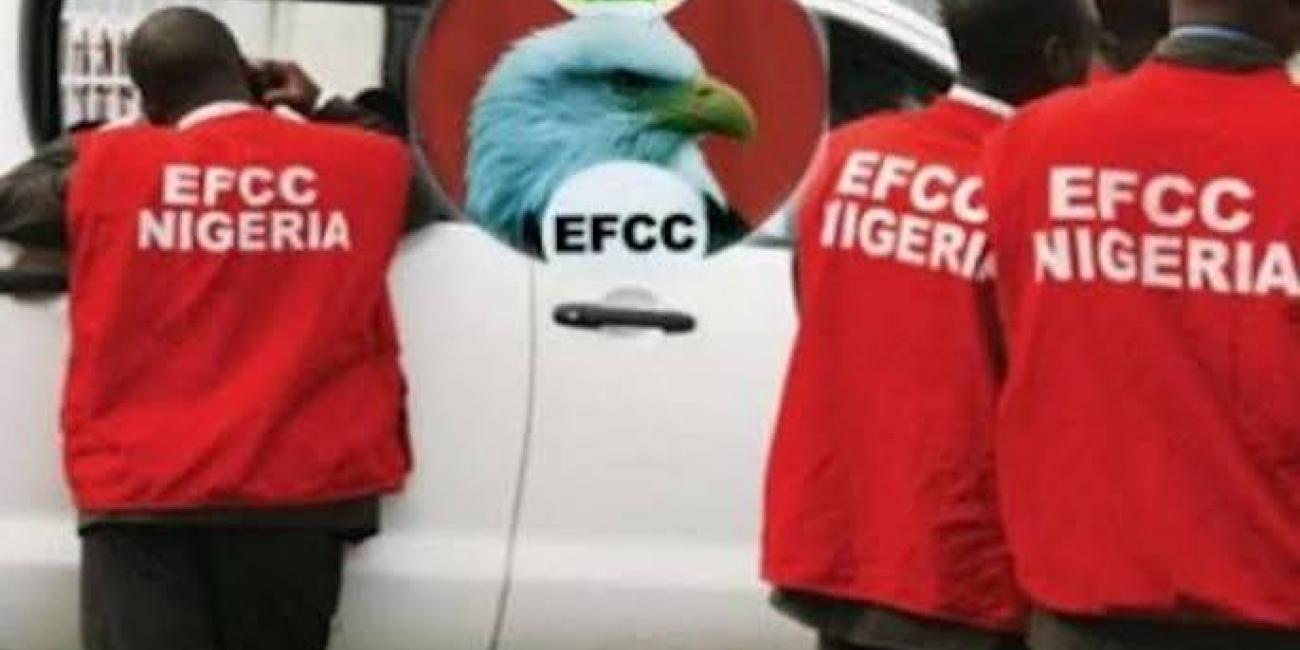
Lawyers Ask EFCC to Remove Photos of Clients Facing Corruption Charges
Lawyers representing two defendants facing corruption-related charges have asked the Economic and Financial Crimes Commission (EFCC) to remove their clients’ names and photographs from media publications linked to their ongoing criminal trial.
The lawyers argued that publishing the identities of the defendants in connection with the allegations could damage their reputations and create the impression that they had already been found guilty before the court reached a verdict.
The petition was submitted by J Aboje & Co., also known as Compass Chambers, on behalf of Folashade Oketope, a former chairwoman of the committee responsible for the sale of Federal Government houses in Abuja, and Mohammed Kabir Usman, a staff member of the Federal Capital Territory Administration (FCTA).
In a letter dated October 13, 2026, and addressed to the EFCC chairman, the law firm described the publications as an infringement on its clients’ constitutional rights, particularly the presumption of innocence and the right to dignity.
Lawyers Cite Presumption of Innocence
According to the petition, the letter followed an earlier correspondence dated July 28, 2026, concerning the publication of the defendants’ arraignment.
Oketope and Usman were arraigned before the Federal Capital Territory High Court in Jabi, Abuja, on July 13, 2026, on a three-count charge involving alleged conspiracy, breach of trust, corruption and the unlawful sale of government properties.
The allegations relate to the sale of four properties identified as Houses 3, 4, 7 and 8 at Plot 756, Abubakar Usman Crescent, Jabi, Abuja.
Oketope previously chaired the committee responsible for the sale of Federal Government houses in Abuja, while Usman was an FCTA employee seconded to the committee.
Their lawyers maintain that the defendants have not been convicted and should not be publicly portrayed as criminals while the case remains before the court.
The legal team also questioned whether the EFCC obtained permission from the court before publishing their clients’ names and photographs.
In the petition, the lawyers challenged the commission to explain whether it would apologise and withdraw the publications if the defendants were eventually acquitted.
Dispute Over Government Properties
The lawyers also referred to a separate case, identified as FCT/HC/CV/4094/2025, which they said was pending when the criminal proceedings began.
According to the petition, the separate suit concerns whether the properties in question belonged to the Federal Government and whether the committee could lawfully dispose of them.
The lawyers argued that the unresolved issues surrounding the ownership and sale of the properties should be considered alongside the criminal proceedings.
They urged the EFCC chairman to direct the removal of the disputed publications from all platforms where they appeared.
The legal team maintained that the defendants should be allowed to defend themselves in court without being subjected to what they described as prejudicial public exposure.
EFCC Reviewing Petition
The EFCC had not publicly responded to the specific allegations in the petition as of the time of the report.
However, a senior commission official, who spoke anonymously because they were not authorised to comment publicly, confirmed that the agency had received the petition.
The official reportedly said the commission’s legal team was reviewing the matter.
The dispute highlights the debate over how anti-corruption agencies communicate information about ongoing prosecutions while respecting the rights of defendants who have not been convicted.
For now, the request to remove the photographs remains a demand by the defendants’ lawyers, and the outcome of the ongoing court proceedings will determine the criminal allegations against their clients.
Crime & Conflict
₦110.4bn Fraud Trial: Witness Explains ₦1.425bn Forex Transactions Linked to Yahaya Bello Case
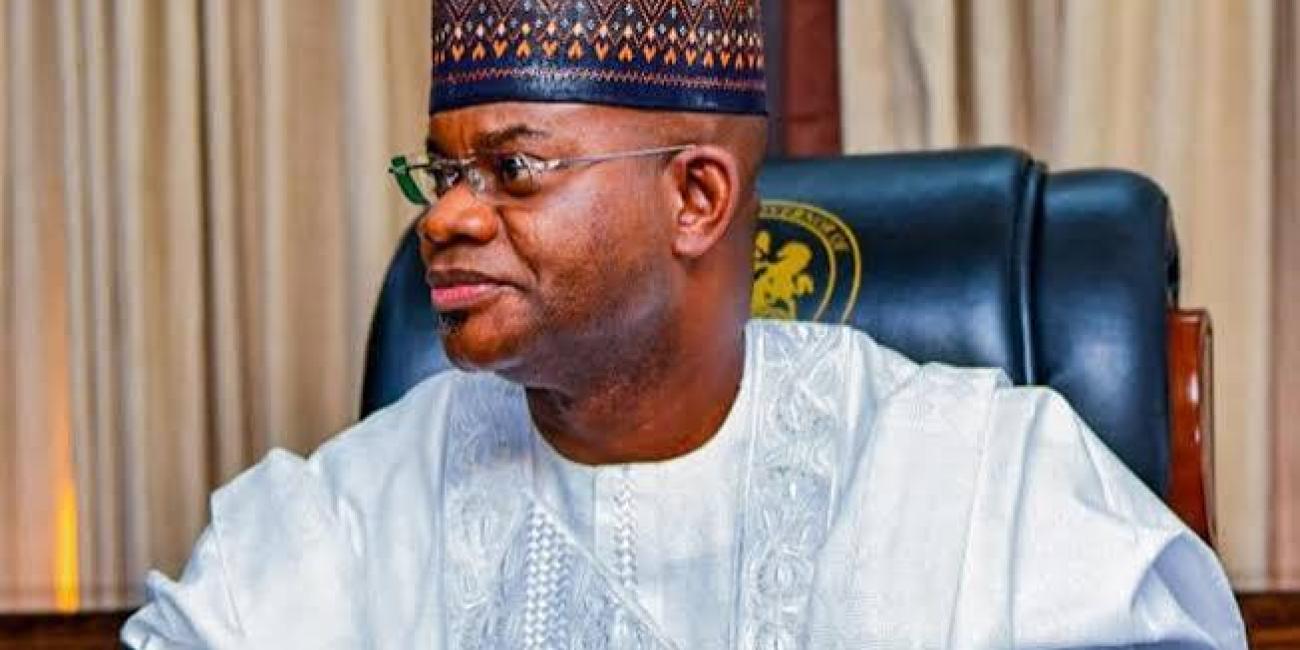
A bureeau de change operator, Jamilu Abdullahi, has told a court in Abuja that he handled foreign exchange transactions worth ₦1.425 billion on behalf of Abba Adaudu between December 2021 and February 2022.
Abdullahi, the 19th prosecution witness in the ongoing trial of former Kogi State Governor Yahaya Bello, gave the testimony on Thursday, October 15, 2026, before Justice Maryanne Anineh of the Federal Capital Territory High Court in Maitama, Abuja.
According to the witness, the transactions involved funds deposited into accounts associated with him and his company, Kunfayakun Global Limited. He told the court that the money was used to purchase foreign currencies, which he subsequently delivered to Adaudu.
The Economic and Financial Crimes Commission (EFCC) is prosecuting Bello alongside Umar Shuaibu Oricha and Abdulsalami Hudu over an alleged ₦110.4 billion fraud and money laundering scheme. The defendants are facing a 16-count charge.
Witness Explains Bank Transactions
While being led in evidence by prosecution counsel Kemi Pinheiro, SAN, Abdullahi identified several bank deposits and transfers recorded in accounts linked to him and his company.
He explained that some deposits of ₦10 million each made through a bank branch in Lokoja were connected to foreign exchange transactions arranged by Adaudu.
The witness maintained that the payments were not gifts but funds intended for purchasing United States dollars.
However, when questioned about other deposits recorded in his name, including transactions of ₦9 million and ₦8 million, Abdullahi denied making the deposits personally.
He told the court that he had never visited the Lokoja branch where some of the transactions were recorded, adding that his name could appear in transaction records as a beneficiary even when another person initiated the payment.
Abdullahi also identified several transfers involving companies he said were associated with Adaudu. He maintained that the funds were used for foreign exchange transactions and that he delivered the purchased currencies to Adaudu.
Witness Discusses School Fee Payments
The court also heard testimony concerning payments made to the American International School, Abuja.
Abdullahi said he processed school fee payments using account details and instructions provided by Adaudu. He identified Fatima Bello, Zahra Bello and Na’ima Bello as names familiar to him in connection with the transactions.
He further identified receipts presented in court as evidence of payments made to the school, explaining that he forwarded the receipts to Adaudu after completing the transactions.
During cross-examination by Abdullahi Yahaya, SAN, counsel to the first and second defendants, the witness said he had no direct dealings with any of the defendants.
When asked about the total amount he handed over to Adaudu, Abdullahi said he could not remember the exact figure because of the numerous transactions involved.
Court Adjourns Trial
Following the testimony, Justice Anineh adjourned the case until October 27 and November 24, 2026, for the continuation of proceedings.
The EFCC’s case centres on allegations that public funds belonging to Kogi State were unlawfully diverted and laundered. Bello and his co-defendants are facing prosecution over the allegations, which remain before the court.
The latest testimony forms part of the prosecution’s evidence in the ongoing trial. The allegations have yet to be determined by the court.
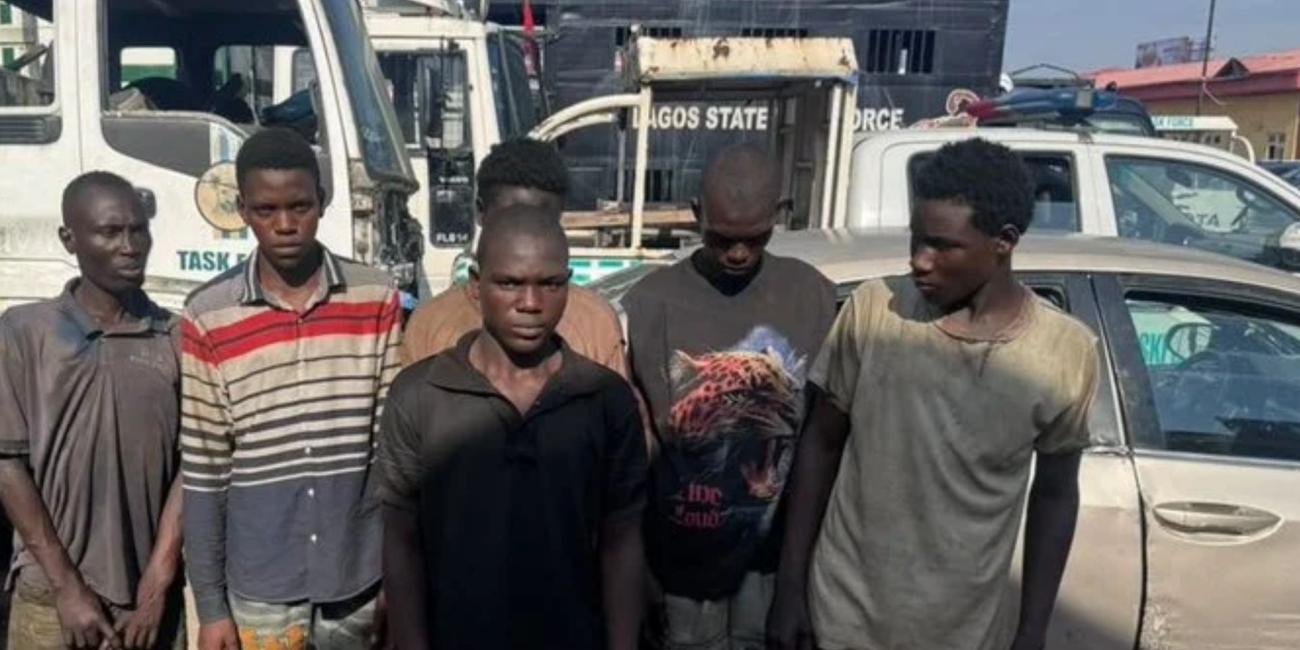
A Magistrate Court sitting in Bolade, Oshodi, Lagos State, has sentenced six men to two years in prison each for assaulting officials of the Lagos State Environmental Sanitation Corps, popularly known as Kick Against Indiscipline (KAI).
The conviction was announced on Thursday, October 15, 2026, by the Lagos State Commissioner for the Environment and Water Resources, Tokunbo Wahab.
According to Wahab, the six men were arrested in the Alakija area of Lagos on October 10 following an incident involving the assault of KAI officers who were carrying out their official duties.
The suspects were subsequently arraigned before the Magistrate Court in Bolade, Oshodi, where they pleaded guilty to the charges against them.
Following their guilty pleas, the court convicted each of the defendants and sentenced them to two years’ imprisonment.
The convicted men were identified as Ghadafi Ismail, Balarabe Mustapha, Usman Danladi, Abdullahi Bello, Kamala Garuba and Musa Idris.
Reacting to the development, Wahab stressed the importance of respecting public officials who carry out lawful duties on behalf of the government.
He warned that the Lagos State Government would not tolerate violence against enforcement officers, adding that offenders would face the consequences of their actions under the law.
The commissioner also urged residents to allow government officials to perform their statutory responsibilities without intimidation, obstruction or physical attacks.
The development underscores the state government’s position on protecting public officers and enforcing environmental regulations across Lagos State.
 Crime & Conflict2 days ago
El-Rufai Faces Fresh Allegations as Witness Tells Court of $600,000 EFCC Payment Plan
- Terrorism & Insurgency2 days ago
Ribadu Raises Alarm as Terrorists Turn to AI, Cryptocurrency and Drones
- Breaking Security News2 days ago
2027 Elections: Timi Frank Asks Trump to Send US Delegation to Nigeria
- Breaking Security News2 days ago
INEC Explains Why Pantami, Adebutu Were Omitted From 2027 Governorship Candidates List
- Crime & Conflict7 hours ago
₦110.4bn Fraud Trial: Witness Explains ₦1.425bn Forex Transactions Linked to Yahaya Bello Case
- Terrorism & Insurgency7 hours ago
Bandits Demand ₦500 Million Ransom for Pregnant Woman Abducted in Kaduna
- Crime & Conflict8 hours ago
Lagos Court Sentences Six Men to Two Years in Prison for Assaulting KAI Officers
- Crime & Conflict7 hours ago
Lawyers Ask EFCC to Remove Photos of Clients Facing Corruption Charges


