Crime & Conflict
Security Forces Arrest Four Suspected Kidnappers in Rijau, Recover Rifle and Ammunition


Security operatives in Niger State have recorded another breakthrough in the fight against rising cases of kidnapping, following the arrest of four men believed to be part of an armed kidnapping syndicate operating across rural communities. The suspects were intercepted in Dukku Village, located in Rijau Local Government Area, after a swift intelligence-led operation on Thursday afternoon.
Arrests Follow Credible Intelligence Report
According to sources familiar with the operation, security personnel acted on a tip-off indicating that a group of armed men had been sighted in the community. Acting quickly, operatives moved into the area around 1:45 p.m., sealing off key exit routes and carrying out targeted searches.
The coordinated effort paid off when four individuals were found and taken into custody without resistance.
Identities of the Arrested Suspects
The men arrested were identified as:
- Daniel Kudu, 31 years old
- Mohammadu Wasse, 25 years old
- Emmanuel Iko, 28 years old
- Sofada John, 27 years old
All four suspects are said to hail from Dabai Sime, a town in Zuru Local Government Area of Kebbi State. Investigators believe the group may have been operating across state boundaries — a pattern increasingly seen among kidnapping gangs looking to evade law enforcement.
Weapons Found in Their Possession
Security personnel also recovered several items believed to belong to the suspects. Among the recovered items were:
- One locally made AK-47 rifle
- Ten rounds of 7.62mm ammunition
- A jackknife
Reports indicate that the rifle, ammunition, and jackknife were found specifically on Sofada John, one of the arrested men. Authorities say this discovery strengthens allegations that the group was involved in organized criminal activities, including kidnapping for ransom.
Relief for Residents of Dukku Village
The news of the arrests has brought a noticeable sense of relief to residents of Dukku Village, a community that has in recent weeks faced rising security concerns. According to locals, unfamiliar faces and suspicious movements had been observed around the area, heightening fear that kidnapping gangs were infiltrating nearby forests and settlements.
Several community members said the swift action by security personnel has restored confidence and calm among villagers who have been living under the shadow of possible attacks.
One resident described the arrests as “a major step that shows security forces are paying attention to our cries for help.”
Investigation Continues Into Possible Wider Network
Security sources say investigations are ongoing to determine the full extent of the suspects’ activities. Authorities are exploring several critical questions:
- Were the suspects part of a larger kidnapping syndicate?
- Have they been involved in recent abductions in Niger and Kebbi States?
- Do they have associates still operating within nearby forests or settlements?
- Were they scouting the area for potential targets before being apprehended?
Investigators are also examining whether the suspects have links to other criminal networks known to be active in parts of Niger, Kebbi, and Zamfara States, where kidnapping rings often collaborate and share resources.
Growing Security Concerns in Rijau Axis
Rijau and surrounding communities have experienced a troubling rise in security threats over the past months, with kidnapping gangs targeting farmers, travellers, and even market areas. This arrest marks one of the latest efforts by security agencies to dismantle such groups before they strike again.
Local leaders have often appealed for more consistent patrols and collaborative security strategies, especially in border communities where criminals easily move between states.
A Significant Step, but More Work Ahead
While the arrest of the four suspects is being celebrated as a positive achievement, security observers caution that the fight against rural banditry and kidnapping remains far from over.
Authorities are urging residents to continue reporting suspicious individuals and movements, emphasizing that cooperation between communities and security agencies is crucial for lasting peace.
Crime & Conflict
Understanding Why Surrenders Increase During Dry Season in Nigeria’s Conflict Zones
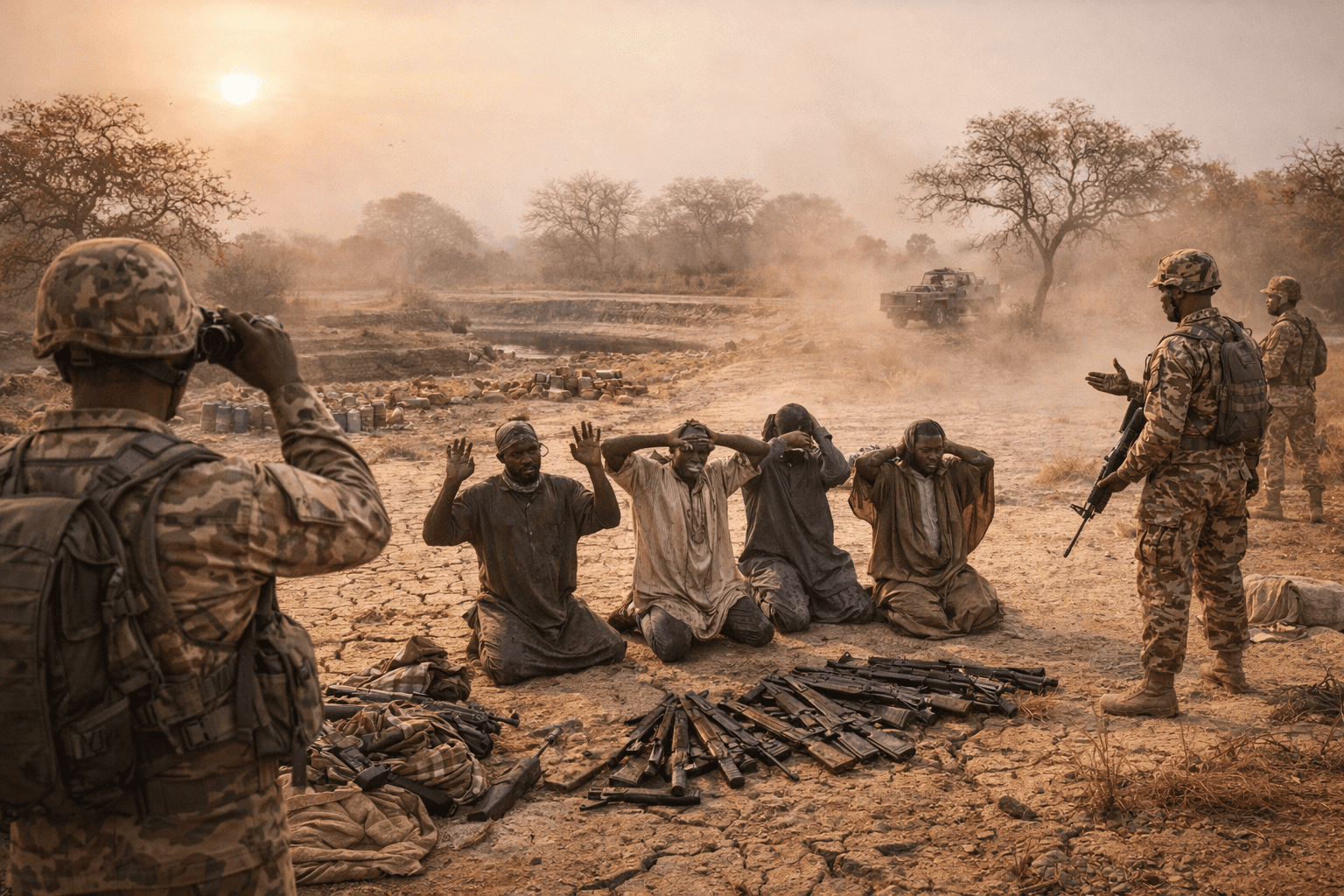
Across Nigeria’s Northern and North-Western theatres of conflict, military operations against bandits, insurgents, and criminal gangs reveal an interesting pattern: surrenders and voluntary turn-ins spike during the dry season.
While this trend might appear coincidental, a deeper examination shows that environmental, logistical, and socio-economic factors converge to make the dry season the most vulnerable time for armed groups. Understanding these dynamics is crucial for military planning, civilian safety, and long-term stabilization.
This report provides a step-by-step analysis of why fighters choose to surrender, the role of seasonal changes, and how authorities can leverage this period to reinforce security and reconciliation programs.
1. Environmental Factors: Dry Season Alters Mobility and Survival
The dry season, typically between November and April, brings significant changes:
- Water scarcity: Rivers, streams, and ponds shrink. Camps near water sources are exposed, forcing insurgents and bandits to concentrate near fewer water points, which are easier for troops to monitor.
- Hard ground and reduced vegetation: The thick foliage of the rainy season thins, making hideouts more visible to aerial reconnaissance and satellite imagery.
- Heat and dust: Extreme temperatures increase fatigue and reduce soldiers’ stamina, but also affect bandits, who are often poorly equipped.
Effect on bandits and insurgents:
Limited water, exposed terrain, and difficult logistics make sustaining camps difficult. Many fighters become physically and psychologically exhausted, increasing the likelihood of surrender.
2. Logistical Strain During the Dry Season
Bandit and insurgent operations rely on supply chains for food, water, ammunition, and fuel. During the dry season:
- Water scarcity makes long-range operations riskier.
- Farmers are less able to supply stolen food, as fields are not in full production.
- Transportation of fuel and weapons becomes more visible along dried-up tracks.
- Dust storms and harsh sunlight slow movement, making units easier to track.
Consequently, small camps cannot sustain themselves, forcing fighters to either relocate, merge, or surrender to authorities.
3. Increased Military Pressure in Dry Conditions
The dry season actually benefits troop mobility and operational effectiveness:
- Dirt roads become passable for armoured vehicles.
- Aircraft, drones, and helicopters operate more safely due to clear skies.
- Reduced foliage allows troops to see tracks and signs of movement.
- Better visibility for intelligence operations makes tracking small groups easier.
This combination of enhanced surveillance and accessible terrain raises the risk for fighters, prompting many to surrender rather than face annihilation.
4. Socio-Economic Incentives and Amnesty Programs
Many armed groups are influenced by government incentives:
- Cash rewards or leniency programs for surrendering fighters.
- Reintegration opportunities: Vocational training, stipends, or formal employment in certain regions.
- Negotiated local agreements with traditional leaders.
During the dry season, when mobility and survival are harder, these incentives appear more attractive. Fighters calculate the risk/reward: survival versus punishment.
5. Increased Civilian Pressure
During the dry season:
- Civilians rely more on security forces for water, protection, and food delivery.
- Villages monitor bush tracks more efficiently because paths are more visible.
- Community vigilantes and hunters are more active, reducing freedom of movement for bandits.
Fighters realize that continued operations put them at higher risk of capture or confrontation, prompting voluntary surrender.
6. Psychological Fatigue and the Human Factor
Fighters endure harsh conditions:
- Lack of water and food
- Exposure to sun and dust storms
- Constant fear of airstrikes and ground patrols
- Separation from families and social networks
The dry season amplifies mental fatigue, often leading to voluntary surrender. Many groups report that morale drops sharply after several weeks without adequate water or shelter.
7. Disruption of Command Structures
Bandit and insurgent cells often fragment during the dry season:
- Leaders relocate to survive, leaving junior members behind.
- Communication becomes harder due to longer distances between camps and the need for stealth.
- Splintered groups are more likely to surrender when faced with organized military units.
This effect increases the overall number of surrenders in conflict regions during these months.
8. Strategic Use of Surrender Opportunities by the Military
Military operations and intelligence officers plan campaigns around these seasonal dynamics:
- Amnesty programs are timed for the dry season to maximize uptake.
- Aerial reconnaissance is scheduled when vegetation is minimal.
- Ground patrols exploit the ease of movement on hard soil.
The strategic timing creates a “window of opportunity”, encouraging voluntary compliance.
9. Examples from Recent Operations
- Zamfara & Katsina Forest Belts: Multiple cells surrendered in December–February after airstrikes destroyed water and fuel caches.
- Southern Borno: Fighters voluntarily handed over arms when forest streams dried, and surveillance drones detected camp activities.
- Kaduna & Niger: Small-scale militias opted to surrender when prolonged heat and dust made night movement impossible.
Historical patterns confirm that dry-season surrender rates consistently outpace those in the rainy season.
10. Policy Implications
Understanding this seasonal dynamic allows policymakers and security agencies to:
- Plan targeted humanitarian and reintegration programs timed to peak surrender periods.
- Allocate military and intelligence resources efficiently, maximizing impact on insurgent and bandit cells.
- Engage communities for early-warning systems, taking advantage of visible tracks and trails.
- Design communication campaigns highlighting the benefits of surrender.
11. Recommendations to Sustain Momentum
a) Strengthen Dry-Season Intelligence
- Use drones, satellites, and informants to track weakened units.
b) Expand Incentive Programs
- Clear reintegration paths make surrender more attractive than fighting.
c) Coordinate Air and Ground Operations
- Ensure troops can exploit exposed terrain and reduced foliage.
d) Provide Civilian Support
- Protecting villages enhances cooperation and reduces hiding spots.
e) Monitor Environmental Indicators
- Track water scarcity, dust storms, and temperature patterns to anticipate insurgent behavior.
12. Conclusion
The dry season represents more than just a change in weather; it is a strategic turning point in Nigeria’s fight against insurgents and bandits. Environmental stressors, logistical challenges, psychological fatigue, and increased military visibility converge to push fighters toward surrender.
By understanding the underlying dynamics, Nigerian authorities can leverage this period to accelerate conflict resolution, reduce violence, and reintegrate former fighters safely, creating a pathway for lasting stability in vulnerable regions.
Crime & Conflict
Kidnapping on Nigerian Highways: How Criminal Networks Exploit Vulnerable Roads and What Authorities Are Doing
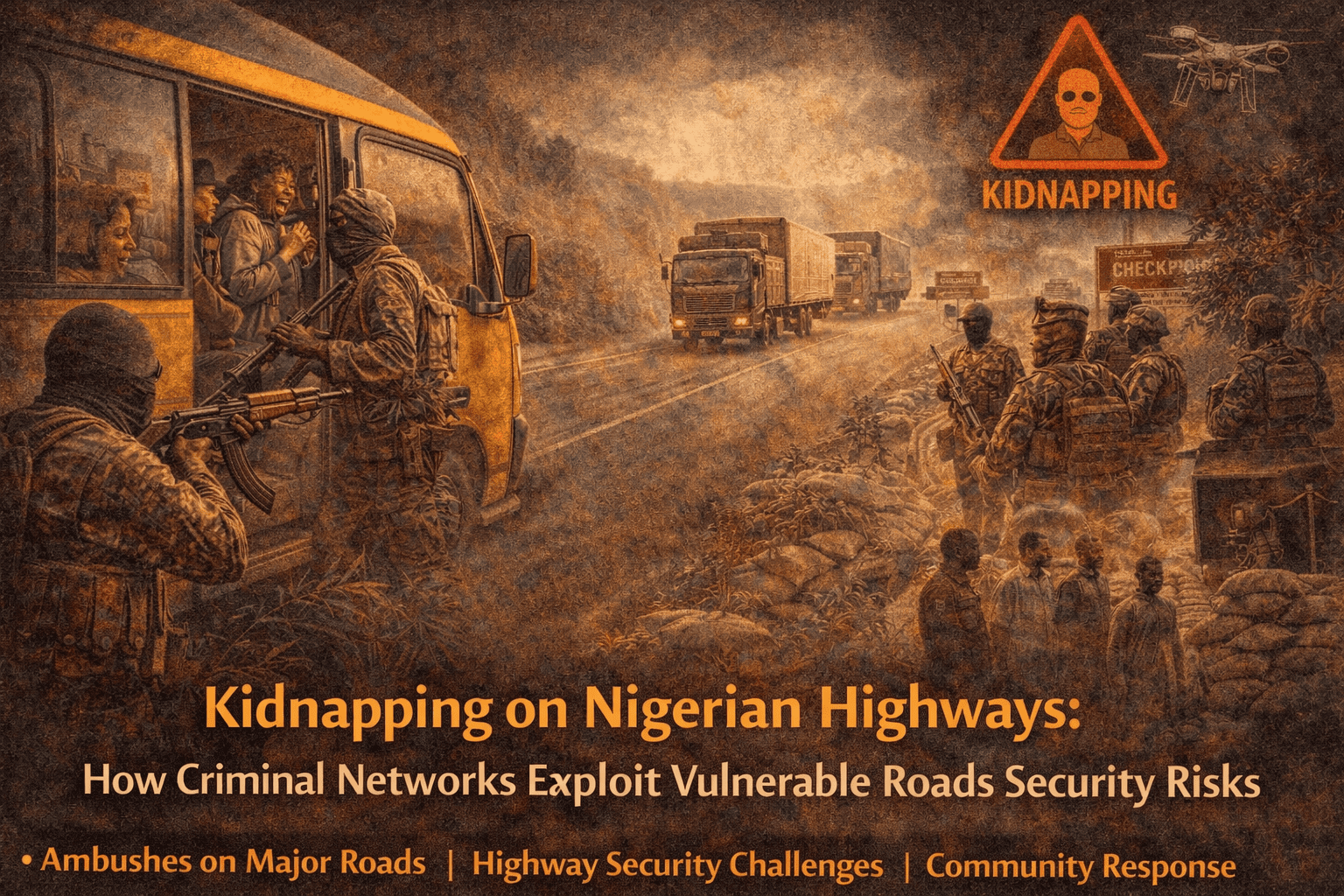
Nigeria’s highways, particularly in the North-West, North-East, and parts of the South, have become hotspots for criminal activity, especially kidnapping for ransom. Despite ongoing security operations, highway abductions continue to disrupt commerce, threaten commuters, and strain law enforcement resources.
Security analysts point to systemic issues in road infrastructure, intelligence coordination, and socio-economic conditions that make these routes attractive to criminal networks.
The Current State of Highway Security
Highway kidnappings have escalated due to several factors:
- Sparse Patrols – Police and military presence along long stretches of highways is often minimal.
- Remote Areas – Criminals exploit forests, river crossings, and unmonitored stretches of road.
- Socio-Economic Pressures – Youth unemployment drives participation in armed banditry and abduction rings.
- Criminal Sophistication – Organized gangs use intelligence from local informants and surveillance of commuters.
Highways linking Zamfara, Kaduna, and Katsina have been particularly affected, with reports of vehicles being ambushed at checkpoints, roadside stops, and isolated stretches.
Patterns Observed in Highway Abductions
Security analysts have identified common patterns:
- Timing – Most attacks occur between late afternoon and night.
- Targets – Commercial buses, commuters, and trucks transporting goods.
- Gang Tactics – Use of motorcycles, multiple attackers, and escape routes through nearby forests.
- Demand Methods – Immediate ransom negotiations, sometimes using victims’ mobile phones to contact families.
Authorities report that some gangs even collect intelligence on movement schedules of buses and high-value cargo, making their attacks premeditated and efficient.
High-Profile Cases
A. Zamfara Highway Incident
In December 2025, over 30 passengers on a commercial bus were kidnapped along the Gusau–Birnin Gwari highway. Vigilante groups assisted in tracking gang movements, and military reinforcements helped negotiate partial release of victims.
B. Kaduna-Katsina Corridor
A convoy transporting traders from Kaduna to Katsina was intercepted. The attackers demanded ransom for vehicles and passengers, highlighting the growing boldness of criminal gangs.
C. Federal Highways near Niger State
Smaller groups ambushed trucks along remote stretches, stealing goods and occasionally kidnapping drivers for ransom. Residents report increased fear traveling these routes.
Why Highway Kidnapping Persists
Several factors contribute to the continued threat:
- Limited Rapid Response Capability – Security forces struggle to reach remote ambush locations quickly.
- Insufficient Intelligence Sharing – Lack of real-time coordination between states and agencies hampers preventive measures.
- Porous Terrain – Bushes, rivers, and unmonitored roadways provide easy escape routes.
- Economic Incentives – Kidnapping remains highly profitable, with ransoms ranging from hundreds of thousands to millions of naira.
Experts warn that as long as enforcement gaps exist, criminal networks will continue exploiting Nigeria’s highway system.
Government and Security Responses
Authorities are employing several strategies to combat highway insecurity:
- Joint Task Force (JTF) Deployment – Coordinated operations between the military and police on high-risk corridors.
- Community Vigilante Partnerships – Local groups assist in intelligence gathering and early alerts.
- Checkpoints and Mobile Patrols – Increased frequency of roadblocks, especially at night.
- Surveillance Technology – Use of drones and CCTV in some urban and peri-urban highway segments.
- Public Awareness Campaigns – Advisories to commuters on safe travel times, vehicle safety protocols, and reporting suspicious activity.
Community Strategies
Local communities are taking initiatives:
- Convoy Travel Systems – Traveling in groups or coordinated convoys for safety.
- Early Reporting – Residents alerting authorities when suspicious activity is spotted.
- Route Avoidance – Using alternative or less risky routes, though longer, to reduce exposure.
Some communities also train young volunteers to act as spotters along major roadways, working closely with vigilante groups and security agencies.
Expert Analysis
Security experts emphasize that highway kidnapping is not only a criminal problem but a national economic threat:
- Commercial Disruption – Traders and transporters face delays or abandon routes entirely.
- Investor Confidence – Fear of travel on Nigerian roads affects business operations.
- Community Safety – Persistent attacks increase migration from vulnerable regions, impacting labor availability.
Dr. Ibrahim Sule, a security analyst, notes:
“The highways are strategic arteries. Criminal networks exploiting them threaten not just travelers but the economic lifeline of Nigeria. Multi-level coordination is essential — from community intelligence to federal rapid response.”
Recommendations for Mitigation
Experts recommend:
- Enhanced Intelligence Networks – Integration of police, military, vigilantes, and technology.
- Rapid Response Teams – Pre-positioned mobile units on high-risk routes.
- Community Awareness Programs – Educating commuters and transport companies about safe travel protocols.
- Infrastructure Improvements – Better lighting, road maintenance, and communication systems to reduce vulnerability.
- Prosecution and Deterrence – Swift and transparent handling of arrested highway criminals to deter future incidents.
Conclusion
Highway kidnappings in Nigeria represent a complex security challenge, combining criminal ingenuity, socio-economic pressures, and infrastructural gaps. While government and vigilante groups are actively responding, experts agree that sustainable solutions require coordination, investment in intelligence and rapid response, and community engagement.
Until such measures are fully implemented, Nigerian highways will remain vulnerable corridors exploited by criminal networks, emphasizing the need for proactive planning, enforcement, and citizen vigilance.
Crime & Conflict
Two Killed in Yobe Armed Robbery as Police Arrest Injured Suspect in Tajuwa Village
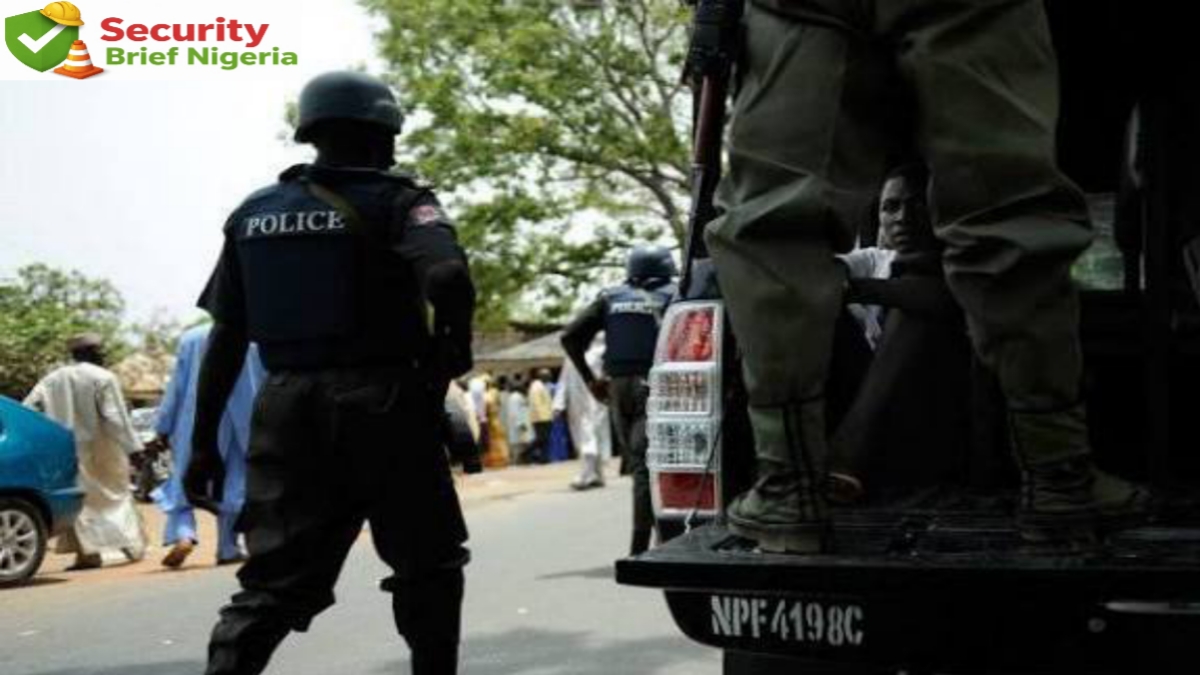
An armed robbery incident in Tajuwa Village, located in Jakusko Local Government Area of Yobe State, has resulted in the tragic deaths of two young men, while one suspect has been arrested and taken into custody for further investigation.
The attack, which occurred in the early hours of January 24, plunged the quiet rural community into shock and mourning. According to reliable security sources, three men—including 30-year-old Inusa Umaru from Girgir Village—launched the assault around 1:00 a.m., targeting the homes of two residents identified as 25-year-old Munu Sale and 27-year-old Sale Abdullahi.
Armed with dangerous weapons, the assailants reportedly forced their way into the houses, robbing the victims of their livestock and inflicting severe injuries in the process. Neighbours who heard the commotion rushed to alert community leaders and security operatives, while others made desperate attempts to rescue the injured men.
Munu Sale and Sale Abdullahi were immediately transported to the General Hospital in Jakusko, but medical personnel confirmed that they had died from the injuries sustained during the attack.
One of the suspects, Inusa Umaru, was also injured during the robbery. He was apprehended shortly afterward and is currently assisting police investigators with vital information. Authorities believe his testimony will be crucial in tracking down the two remaining suspects who fled the scene.
Police officials in Yobe State say efforts are ongoing to locate the fleeing men, with surveillance teams and local intelligence sources already mobilized. Once Umaru recovers and is discharged from the hospital, the case is expected to be transferred to the Criminal Investigation Department (CID) for a full-scale investigation and prosecution.
The attack has heightened concerns among residents of Jakusko LGA, where cases of rural banditry and livestock-related theft have become more frequent in recent months. Community members have appealed for increased patrols, improved security presence, and strengthened cooperation between locals and law enforcement agencies.
The Yobe State Police Command has reassured the public of its commitment to bringing the remaining suspects to justice and restoring safety in the affected areas.
Security Brief Nigeria will continue to monitor developments and provide updates as the investigation progresses.
-
 Community Safety & Public Alerts2 weeks ago
2026 Security Outlook: Key Threat Trends Nigeria Must Prepare For
-
Community Safety & Public Alerts2 weeks ago
Inside Nigeria’s Growing Border Security Challenge: How Weak Perimeters Fuel Crime Networks
-
Community Safety & Public Alerts2 weeks ago
How Bandit Command Structures Operate Across Zamfara & Katsina: Inside the Criminal Networks
-
Community Safety & Public Alerts2 weeks ago
Rising Kidnappings Across Nigeria: Security Agencies Intensify Crackdown as Criminal Networks Expand Their Operations
-
Community Safety & Public Alerts2 weeks ago
Rising Community Vigilance as Security Pressures Intensify Across Nigeria
-
Community Safety & Public Alerts2 weeks ago
Nigeria’s Border Security Crisis Deepens: How Porous Frontiers Fuel Arms Smuggling, Terror Mobility, and Rising Insecurity
-
Community Safety & Public Alerts2 weeks ago
How Technology Is quietly reshaping Rural Security Response in Nigeria
-
Terrorism & Insurgency1 week ago
Why Troops Struggle in the Forest Belts of Niger State, Kaduna State and Katsina State