Terrorism & Insurgency
Troops Ambush Fleeing Terrorists, Neutralise Senior Commanders in Mandara Mountain Operation

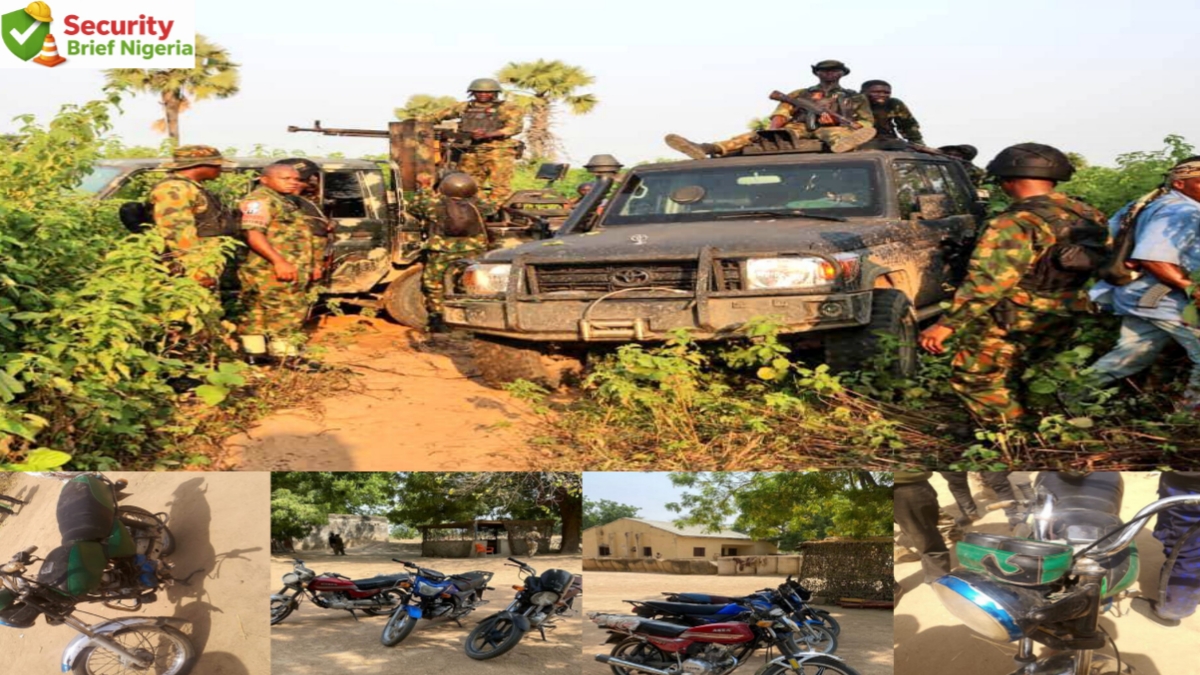
Security sources have confirmed that Nigerian troops conducting clearance operations in the Gwoza–Ngoshe axis of Borno State have successfully neutralised ten Boko Haram/ISWAP terrorists, including two notorious field commanders, following a well-coordinated ambush near the Mandara Mountains. The operation, which unfolded over a demanding multi-hour engagement, further underscores the increasing pressure being exerted on terrorist cells operating along the Nigeria–Cameroon border corridor.
According to a reliable military source familiar with the operation, the encounter began when troops conducting a routine fighting patrol came into contact with a group of heavily armed terrorists attempting to infiltrate communities near the mountain foothills. The insurgents, who were believed to be regrouping after suffering recent setbacks in the region, engaged the soldiers with small arms and improvised explosive devices (IEDs), prompting a fierce firefight.
To prevent the terrorists from melting back into the rugged terrain or escaping toward known hideouts across the border, a reinforcement team stationed in Ngoshe was swiftly mobilised. The reinforcement unit, acting on precise intelligence, maneuvered strategically to block potential withdrawal routes, particularly the narrow passes snaking around the Mandara Mountain escarpment.
“A reinforcement team from Ngoshe swiftly moved to cut off the terrorists’ withdrawal routes along the foothills of the Mandara Mountains and successfully ambushed the retreating fighters,” the source explained.
Hot Pursuit and Ambush
Once the troops established blocking positions, the fleeing terrorists were caught in a deadly crossfire. The ambush, which was executed with precision and maintained under strict communication discipline, led to the disintegration of the insurgent formation. Several militants were killed instantly, while a few others attempted to escape into the bush paths.
However, the troops were already prepared for such an eventuality. After the ambush, soldiers mounted what the source described as a “hot pursuit”—a high-intensity chase intended to prevent regrouping and ensure complete neutralisation of surviving elements.
“Troops mounted a hot pursuit on the remnants who managed to escape and exploited the general area towards the withdrawal routes, recovering several bodies and equipment,” he added.
This pursuit phase allowed soldiers to recover additional remains of neutralised insurgents and retrieve weapons and communication devices that the fighters attempted to conceal or abandon while fleeing.
Key Terrorist Commanders Neutralised
Security sources revealed that among the ten terrorists neutralised during the encounter were two top-ranking commanders—Basulhu and his deputy, Ubaida.
Basulhu, according to intelligence reports, had served as a key tactical commander responsible for coordinating ambushes and raids against military positions and civilian communities along the Gwoza–Pulka ridgeline. He was also believed to be involved in managing arms supply routes from terrorist collaborators across the border in Cameroon.
Ubaida, his second-in-command, was described as an expert in improvised explosive devices. Military intelligence had reportedly linked him to several IED incidents targeting troop convoys and civilian transport routes over the past year.
The neutralisation of both commanders is considered a strategic blow to terrorist activities in the region, as their leadership roles were central to coordinating smaller decentralized cells scattered across the mountainous terrain.
Weapons and Equipment Recovered
During exploitation of the ambush site and the surrounding area, troops recovered a significant cache of weapons, communication devices and mobility assets used by the insurgents. The items recovered include:
- Three AK-47 rifles
- One pump-action shotgun
- Five motorcycles used for tactical mobility and escape
- Two hand grenades
- Two Baofeng radios, commonly used for encrypted field communications
- 12 AK-47 magazines
- 197 rounds of 5.56mm ammunition
- One rocket-propelled grenade (RPG) charger
- Two detonating cords
- 13 nine-volt batteries, typically used in IED assembly
- An iron bar
- A bandolier
- A camel bag for carrying supplies
The recovery of the motorcycles is particularly significant, as insurgent units in the North East rely heavily on motorbikes for fast movement across narrow trails and mountainous paths. Disrupting their mobility severely limits their ability to execute surprise attacks or escape counter-terrorist operations.
A Fluid but Improving Security Situation
Although the area has experienced recurrent attacks in recent months due to its proximity to known insurgent enclaves, the source insisted that the general security atmosphere remains “relatively calm but fluid.” This means that while troop presence and recent operations have reduced large-scale terrorist activity, there remains a need for heightened vigilance due to the unpredictable nature of insurgent movements within the mountainous terrain.
“Troops continue to maintain maximum alertness,” the source added, noting that surveillance operations, patrols, and intelligence-gathering efforts have been intensified to prevent the terrorists from regrouping.
He concluded that security forces remain committed to dominating the area, safeguarding communities and preventing infiltration attempts—particularly ahead of the dry season, a period traditionally exploited by insurgents to increase movement and launch attacks.
Why Mandara Mountains Matter
The Mandara Mountains, which stretch across parts of Borno State and into northern Cameroon, have historically served as a key operational terrain for Boko Haram/ISWAP due to:
- Difficult access for large military vehicles
- Numerous caves and natural hideouts
- Cross-border escape routes
- Minimal visibility from aerial surveillance
- Local footpaths unknown to outsiders
This terrain advantage has allowed insurgents to establish camps, training bases and weapon storage points across the steep ridges. However, recent coordinated offensives, increased intelligence operations and improved cooperation between local communities and security forces have led to significant gains for the military.
The successful ambush in the Ngoshe–Mandara axis demonstrates growing proficiency in localised military intelligence, rapid reinforcement and terrain-focused maneuver tactics.
A Sustained Pressure Strategy
Security analysts note that the Nigerian Armed Forces have lately adopted a more aggressive and sustained pressure strategy, combining:
- Kinetic operations such as raids, ambushes, and targeted strikes
- Non-kinetic measures, including community engagement and deradicalisation
- Disruption of logistics, especially arms and fuel supply routes
- Air surveillance coordinated with ground operations
- Intelligence sharing with regional partners
This multi-pronged approach has reportedly reduced the operational freedom of terrorist groups and disrupted their leadership structure.
Yet, analysts warn that the insurgency—though weakened—remains adaptive, making continued vigilance essential.
Local Communities React
Preliminary reports suggest that local communities in the Gwoza–Ngoshe region have expressed relief following the announcement of the successful operation. Many villagers living near the mountain range have long suffered from sporadic attacks, kidnappings, forced taxation and intimidation by various insurgent factions.
Some communities have also reported increased cooperation with security forces, offering intelligence on insurgent movement patterns, safe routes, and hideaway camps. This collaboration has contributed significantly to recent successes.
Looking Ahead
Military officials emphasise that the neutralisation of Basulhu and Ubaida marks a milestone but not an endpoint. The focus remains on consolidating gains, clearing remaining pockets of resistance and preventing displaced terrorist elements from regrouping or infiltrating civilian areas.
The area continues to be monitored through:
- Routine combat patrols
- Ambush operations
- Collaboration with local vigilantes and hunters
- Border surveillance
- Intelligence-driven raids
The military source stressed that troops are committed to maintaining pressure until terrorist remnants are uprooted and communities can return to normal life without fear.
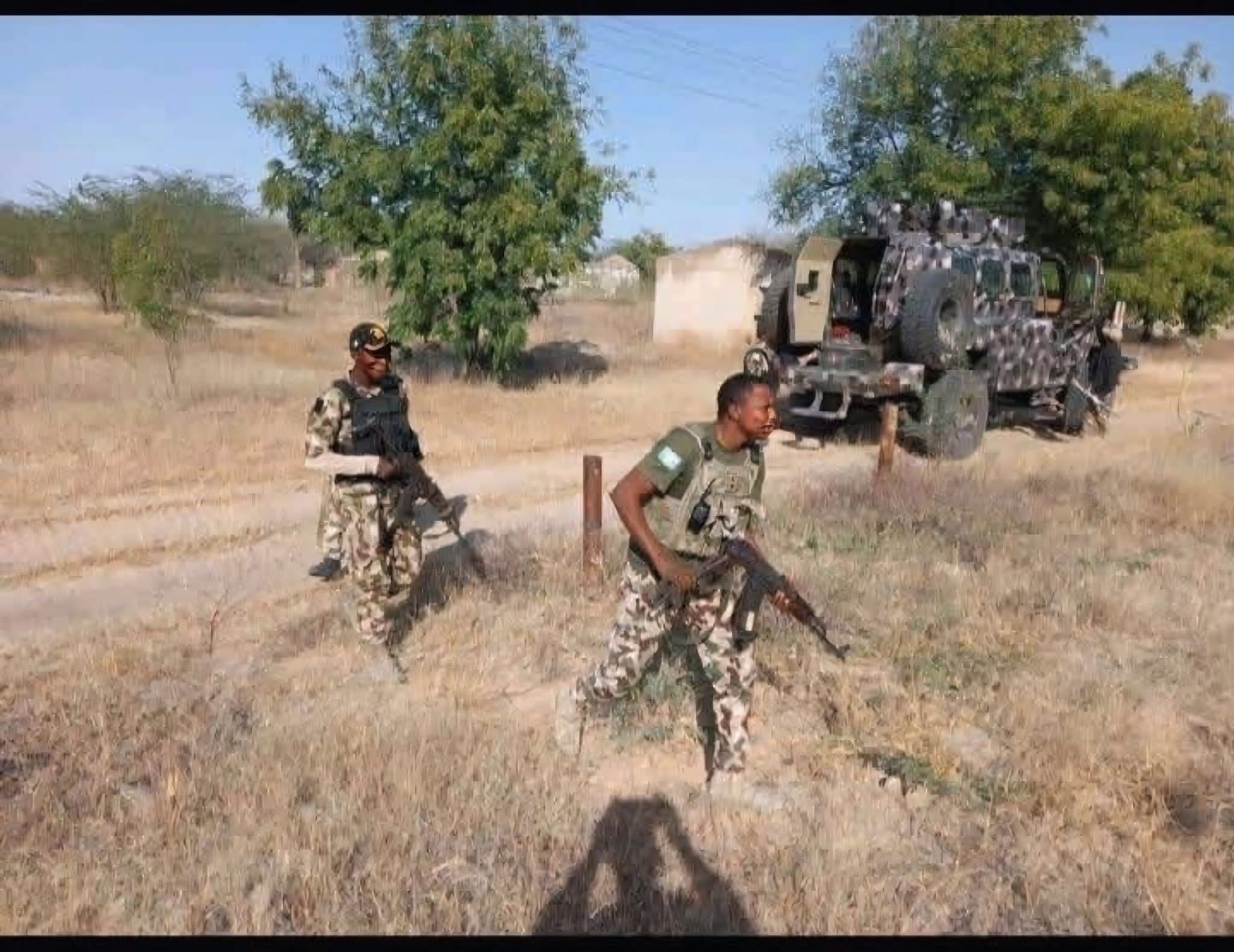
While Nigerians often judge military success by airstrikes, neutralized bandits, and captured weapons, a far more decisive battlefield exists behind the scenes — the logistics chain. In every conflict zone, from the forests of Kaduna State and Katsina State to the desert fringes near Borno State, the real fight is often determined by how efficiently soldiers are supplied, transported, rotated, fed, and supported.
This is the hidden war the public rarely sees — a struggle defined by long distances, unforgiving terrains, overstretched supply units, and infrastructure gaps that directly affect troop performance on the frontlines.
This report breaks down why logistics is the silent backbone of warfare, and why neglecting it weakens the fight against insurgents and bandits.
1. Nigeria’s War Zones Are Logistical Nightmares
Many conflict theatres sit in areas with:
- No functional highways
- No fuel stations
- No communication networks
- No medical facilities
- No stable power supply
The operational zones in Kaduna, Katsina, Zamfara, Niger, and Borno stretch across thousands of square kilometers, often with forests so dense that even motorcycles struggle to pass.
Terrain Challenges That Disrupt Logistics
- Heavy bush cover blocks supply convoys
- Sandy or swampy soil traps military trucks
- Forests have only narrow, unmapped footpaths
- Mountainous ridges limit movement of armoured vehicles
- Rivers cut through villages with no bridges
Every logistical chain becomes painfully slow — and dangerous.
2. Fuel Supply: The Lifeblood That Powers War
A core reason troops sometimes struggle to sustain operations is the difficulty of moving fuel to remote bases.
Fuel Consumption Reality
- Armoured APCs consume enormous quantities
- Patrol vehicles require constant refueling
- Generators powering communication equipment run 24/7
- Helicopter operations burn aviation fuel at extreme rates
Transporting fuel to deep forest bases is extremely risky. Many fuel convoys move:
- Under armed escort
- Through ambush-prone routes
- Across rough terrain capable of damaging tankers
Without fuel, a battalion is blind, immobile, and unable to fight.
3. Ammunition Drops and Delays Affect Combat Efficiency
Ammunition is another critical supply that doesn’t always arrive on time due to:
- Limited number of secure access roads
- Bandits mining or ambushing supply routes
- Weather conditions preventing air-drops
- Distance between Forward Operating Bases (FOBs) and active fronts
In some forest belts, units must ration ammunition carefully until supplies arrive. This reduces troops’ confidence and limits offensive operations.
4. Communication Equipment Is Often Overworked or Affected by Terrain
Forests like Birnin Gwari, Allawa, Rijana, and Faskari reduce signals drastically because:
- Thick tree canopies block radio waves
- Hills and valleys weaken communication
- Solar-powered equipment becomes unreliable during rainy season
When communication breaks down:
- Troops can’t request backup
- Air support cannot coordinate effectively
- Recon teams may become isolated
- Units fight “blind” without situational awareness
This increases risk and slows progress.
5. Medical Evacuation Is One of the Hardest Tasks
Evacuating wounded soldiers is among the biggest logistical challenges.
Why Medical Evacuation Is Complicated
- Conflict zones lack functional hospitals
- Helicopters cannot land inside dense forests
- Ambulances cannot enter narrow bush paths
- Wounded troops may bleed for hours before reaching care
This affects morale because soldiers know that even minor injuries can become fatal due to extraction delays.
6. Food and Water Supply Lines Are Stretched Thin
Frontline troops require:
- High-energy meals
- Clean drinking water
- Hydration salts
- Vitamins
But delivering these in remote forests is extremely difficult.
Common Issues
- Soldiers often rely on ration packs that run out
- Water sources near camps may be unsafe
- Supply trucks must drive hours under escort
- In rainy seasons, roads vanish completely
A hungry, dehydrated soldier cannot fight at optimal strength.
7. Vehicle Maintenance Problems Deepen Operational Fatigue
Military vehicles take a beating in these terrains:
- Sand destroys engines
- Mud clogs filters
- Vibrations damage suspension systems
- Rocks tear tyres
- Heat damages electronics
But mobile repair units are limited, and most heavy repairs require towing vehicles back to major bases — sometimes 80–150 km away.
This reduces mobility and operational tempo.
8. Overstretched Soldiers With Limited Rotation
Rotation systems are essential for soldier stamina and mental health. But in many forest operations:
- Reinforcement units are limited
- Frontline troops stay too long without rest
- Quick rotation is impossible due to lack of secure routes
Troops often experience:
- Fatigue
- Stress
- Reduced reaction speed
- Lower morale
This leads to slower responses and higher risks of ambush.
9. Air Support Limitations Due to Weather, Fuel, and Coverage
The Nigerian Air Force provides reconnaissance and close air support, but it also faces logistic constraints:
- Helicopters require secure landing zones
- Jets need long, well-maintained runways
- Bad weather reduces visibility and grounding capabilities
- Aviation fuel must be transported over long distances
- Pilots cannot loiter too long over thick forests
These limitations give bandits room to evade strikes.
10. Intelligence Logistics: Getting Information to Troops in Time
Intelligence is only useful when delivered fast. But challenges include:
- No real-time data links in forest interiors
- Drone footage sometimes delayed by transmission issues
- Human informants unable to communicate due to network absence
- Reports traveling through multiple layers before reaching field commanders
Logistic bottlenecks in intelligence lead to:
- Missed targets
- Failed ambushes
- Delayed response to kidnappings
- Troops entering hostile zones unaware of new threats
11. The Psychological Burden of Logistical Failure
Logistics influences morale more than most people realize.
When logistics fail, troops experience:
- Anxiety
- Frustration
- Loss of confidence in command
- Fear of being stranded
- Reduced motivation
- Lower combat aggressiveness
A well-fed, well-supplied soldier fights differently from someone surviving on outdated rations and low ammunition.
12. Corruption, Sabotage and Bureaucracy Also Slow Logistics
Experts note that logistics can be affected by:
- Delayed procurement
- Over-invoicing of supplies
- Mismanagement at depot levels
- Theft or diversion of materials
- Poor record systems
- Slow administrative decision-making
Even a 24-hour delay in approving fuel or ammo can cost lives on the frontlines.
13. Bandit Tactics Are Designed to Exploit Logistical Weaknesses
Bandits understand logistics and use it against troops:
- Ambushing supply convoys
- Targeting fuel trucks
- Blocking narrow routes
- Using forest knowledge to evade after long troop deployments
- Attacking when soldiers are tired or undersupplied
They study patterns and strike at the weakest point.
14. What Nigeria Must Fix to Win the Logistics War
✔ Establish forest-edge supply bases
To cut travel time to frontlines.
✔ Deploy more Long-Endurance ISR drones
For real-time intelligence and reduced blind spots.
✔ Build all-season access roads
Especially in Kaduna–Niger–Katsina belts.
✔ Increase helicopter ambulances
To shorten medical evacuation times.
✔ Expand truck convoys with improved escort strategy
To ensure timely delivery of essentials.
✔ Introduce advanced communication systems
Including satellite-linked devices unaffected by forest canopy.
✔ Improve soldier welfare (nutrition, rotation, rest cycles)
To maintain morale and readiness.
✔ Strengthen procurement transparency
To block leakages in the supply chain.
✔ Conduct regular vehicle maintenance
With mobile engineering units embedded with battalions.
These are not optional — they are essential for victory.
Conclusion: Logistics Decides Wars More Than Bullets
The Nigerian soldier is brave, disciplined, and resilient. But bravery alone cannot overcome:
- Terrain
- Distance
- Supply delays
- Communication gaps
- Lack of mobility
- Medical challenges
The hidden war of logistics determines whether troops arrive at the battlefield strong or exhausted… supplied or starving… ready or vulnerable.
If Nigeria strengthens this backbone, every other aspect of the war — from intelligence to combat — will scale up dramatically.
Terrorism & Insurgency
Why Troops Struggle in the Forest Belts of Niger State, Kaduna State and Katsina State
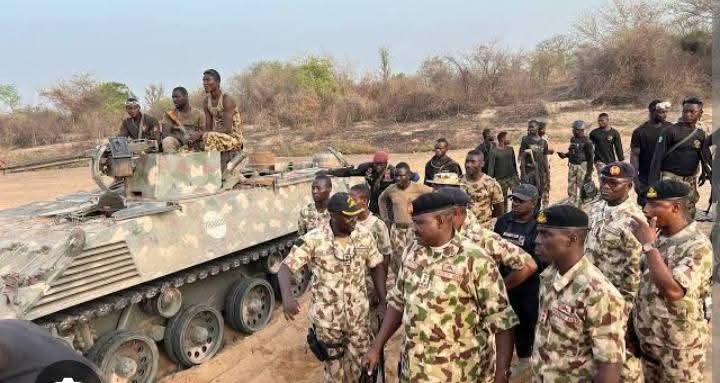
Nigeria’s war against banditry and rural terrorism remains one of the most complex internal security challenges in West Africa. While troops from the Nigerian Army, backed by the Nigerian Air Force, have recorded significant victories across several frontlines, operations in the deep forest belts of Niger, Kaduna and Katsina continue to present uniquely difficult obstacles.
Unlike the Northeast war — dominated by insurgent groups such as Boko Haram and ISWAP, where terrain is open and targets are easier to track — the Northwest/North-Central corridor is defined by dense forests, cave-like ravines, fragmented bandit networks, tribal alliances, ransom economies and near–zero state penetration.
This article provides a full-scale analysis of why troops struggle in these strategic forests and what makes the region one of Nigeria’s toughest battlefields.
1. The Geographic Reality: Forests Designed for Ambush, Not Patrol
The forests of Niger, Kaduna, and Katsina are not ordinary woodlands. They include:
- Kamuku Forest (Kaduna)
- Birnin Gwari Forest (Kaduna)
- Kuyan Bana Forest (Katsina)
- Kadara, Zuguruma & Allawa Forests (Niger)
- Dogon Dawa, Kuyambana & Dansadau Forest Belts (multi-state)
— historically used for cattle rearing and, later, criminal sanctuaries.
These forests feature:
a) Interconnected Forest Networks
The forest belts interlink across state borders, allowing bandits to flee from one state to another within hours. For example:
- A pursuit inside Kaduna can end inside Niger
- A raid in Katsina can quickly shift into Zamfara
This makes containment extremely difficult.
b) Thick Vegetation
Many areas have:
- Zero visibility beyond 5–10 meters
- Narrow, winding footpaths only locals understand
- Large tree coverage that blocks aerial visuals
- Ravines that conceal camps underground
Such terrain neutralizes the advantages of army vehicles, artillery, and aerial surveillance.
c) No Defined Road Networks
Most forest interiors are:
- Unsuitable for APCs (Armoured Personnel Carriers)
- Too soft, muddy, or rocky for military trucks
- Easily mined or booby-trapped by bandits
This terrain naturally favors motorcycles, giving bandits high mobility.
2. Bandits’ Use of Motorcycles: Speed Troops Cannot Match
Bandits operate with hundreds of motorcycles, often in clusters of:
- 50
- 100
- sometimes 300+
Each motorcycle carries:
- A rider
- A gunman
- An AK-47 or GPMG
The advantage?
a) They Move Faster Than Any Military Vehicle
Motorcycles slip through:
- Narrow bush trails
- Shallow riverbanks
- Rocky passages
- Farmlands and cattle routes
Troops cannot match this speed with armoured vehicles.
b) Hit-and-Run Tactics
Bandits attack, retreat into the forest within 2–5 minutes, and vanish.
c) Dispersed Formations
Unlike insurgents who hold territory, bandits scatter in multiple units. Even when troops defeat one cluster, others regroup in nearby forests.
3. Lack of Permanent Military Presence Inside the Forests
The Nigerian Army does not maintain permanent bases deep inside these forests for specific reasons:
a) High Risk of Encirclement
Bandits know the forest better and can surround a base from all sides.
b) Logistical Impossibility
Maintaining a base requires:
- Food supply
- Water
- Fuel
- Ammunition
- Medical evacuation
But many forest interiors are hours or days away from military supply lines.
c) Zero Communication Signals
Most forest interiors have:
- No network
- No radio relay
- No satellite reach indoors under thick canopy
This makes coordination extremely risky.
The result: Troops can only enter, strike, and withdraw — not hold the territory permanently.
4. The Bandit Informant Network: Eyes Everywhere
Another major reason troops struggle is the extensive human intelligence network supporting bandit groups.
a) Villagers as Informants
Due to:
- fear
- poverty
- ethnic ties
- or forced collaboration
Bandits receive real-time alerts when troops:
- leave barracks
- deploy helicopters
- move in convoy
- set up checkpoints
Informants disguise as:
- Farmers
- Traders
- Hunters
- Local transport riders
This gives bandits a 5–30 minute head-start to disappear before troops arrive.
b) Inside Information From Criminal Collaborators
Some bandits have ties to:
- illegal miners
- arms traffickers
- cattle rustling chains
- corrupt local actors
All these networks feed them information.
5. Fragmented Bandit Groups Make Intelligence Difficult
Unlike Boko Haram and ISWAP with centralized leadership, bandits in the Northwest/North-Central operate in dozens of independent cells, such as:
- Kachalla Ali
- Yellow Jambros
- Dankarami
- Nagona
- Boderi
- Baleri
- Kachalla Mai-Tuta
Each camp has:
- Different loyalties
- Different hideouts
- Different commanders
- Different local alliances
This makes intelligence gathering extremely complicated.
To defeat insurgents, you take their “HQ.”
To defeat bandits, you must defeat hundreds of small, isolated camps.
6. Forests Provide Everything Bandits Need to Survive
These forests function like micro-cities, offering:
a) Natural Shelter
Caves, rock overhangs, and trees shield from:
- Sun
- Aerial detection
- Drone imagery
b) Water Sources
Most forests contain streams and shallow water bodies.
c) Food
Bandits steal from:
- Farmers
- Villages
- Trucks
- Herds
Thus, they can survive indefinitely without needing to enter towns.
d) Natural Barriers Against Troops
Ravines, cliffs, and dense brush slow troop advancement.
7. Civilians Are Scattered Inside the Forest Zones — Making Strikes Risky
In many forest-edge communities:
- Farmers till fields daily
- Women fetch firewood
- Herdsmen graze cattle
- Nomadic families live in temporary shelters
This makes:
- Airstrikes
- Artillery bombardments
- Heavy ground assault
…extremely sensitive.
Troops must proceed with caution to avoid civilian casualties.
8. The Bandit Economy: Why the War Is Hard to Win Militarily Alone
Banditry in the forest belts is not just crime; it is an economic system driven by:
a) Ransom Collection
Kidnapping is a billion-naira business.
b) Cattle Rustling
Stolen cattle are sold across:
- Sokoto
- Kebbi
- Niger
- Benin Republic
c) Illegal Gold Mining
Especially in:
- Niger
- Kaduna
- Zamfara
Gold money funds weapons and motorcycles.
d) Arms Trade Networks
Weapons flow from:
- Libya corridor
- Niger Republic
- Chad — via black markets
This economy sustains the war indefinitely.
9. Insufficient Aerial Coverage Across Massive Landmass
Niger is Nigeria’s largest state by landmass.
Kaduna is the 4th largest.
Katsina is also significantly wide.
Combined, these territories span:
- 115,000+ sq. km
The Nigerian Air Force cannot monitor every corridor 24/7.
A drone can only watch one location at a time.
A helicopter has limited fuel.
A jet cannot loiter at low altitude for long.
Bandits exploit these blind spots.
10. Troops Must Follow Rules of Engagement — Bandits Do Not
Troops operate under:
- Nigerian law
- Military codes
- International humanitarian rules
Bandits operate under:
- No rules
- No uniforms
- No fixed base
- No timelines
This asymmetry gives bandits the advantage of freedom, while troops must remain accountable.
11. Limited Community Trust Slows Operations
Many communities distrust security forces due to:
- Past reprisal fears
- Political interference
- Perceived government neglect
- Ethnic tensions
- Fear of bandit retaliation
This reduces:
- Community reporting
- Early-warning signals
- Deployment efficiency
Without community cooperation, troop success is limited.
12. Why the War Is Harder Than the Niger Delta or Northeast Conflicts
Niger Delta militancy:
- Terrain waterlogged
- But militants heavily dependent on oil pipelines
- Easy to track with naval forces
Northeast insurgency:
- Insurgents hold fixed camps
- Easier for airstrikes to target
Northwest/North-Central banditry:
- No ideology
- No fixed base
- No chain of command
- Highly mobile
- Terrain nearly impenetrable
This makes the war extremely complex.
13. What Could Turn the Tide? (Expert Recommendations)
Experts suggest solutions:
✔ Establish Forward Operating Bases inside forest edges
With quick-reaction forces.
✔ Deploy more long-endurance drones
To cover blind spots.
✔ Use satellite mapping to chart hidden camps
Forest mapping remains limited.
✔ Create a strong network of vetted community informants
Paid, trained and protected.
✔ Implement state-level forest management laws
To prevent illegal settlement and hideouts.
✔ Expand electronic surveillance
Ground sensors, motion detectors, and thermal cameras.
✔ Block illegal mining flows
Which fund bandit groups.
✔ Strengthen cross-border collaboration
Especially with Niger Republic.
Conclusion
Troops struggle in the forest belts of Niger, Kaduna, and Katsina not because of weakness or lack of bravery, but because the environment itself is engineered for asymmetric warfare. Bandits enjoy:
- Terrain advantage
- Mobility
- Informant networks
- Hidden economies
- Fragmented structures
- Civilian shields
While troops must balance:
- Law
- Humanitarian concerns
- Complex logistics
- Impossible terrains
Understanding these factors is key to crafting new strategies that go beyond military action and address the socio-economic and geographic realities fueling the conflict.
Terrorism & Insurgency
Airstrike Strategy: How the Nigerian Air Force Selects Targets in Conflict Theatres
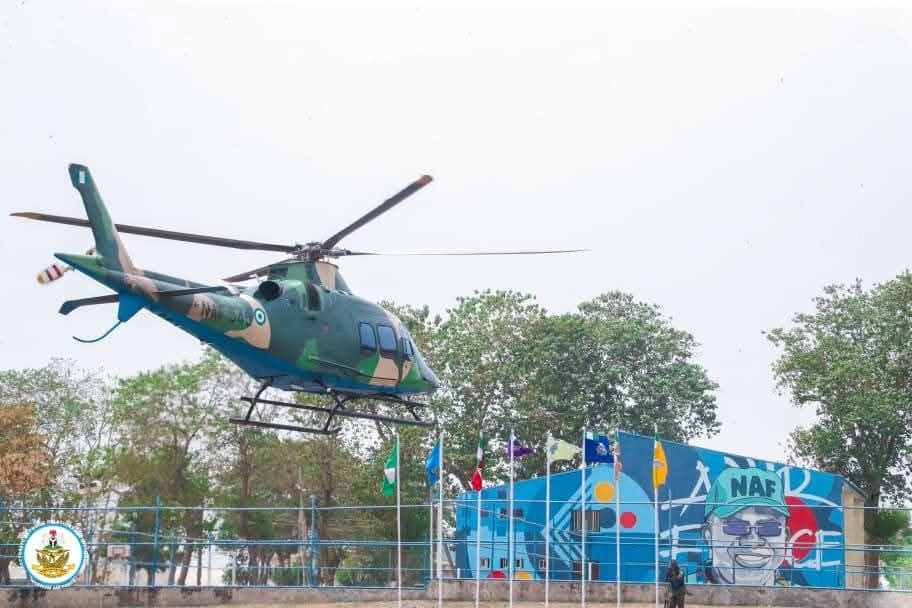
Airpower has become one of the most decisive tools in Nigeria’s fight against insurgency, banditry, and cross-border terrorism. Over the years, the Nigerian Air Force (NAF) has refined its airstrike strategy, integrating intelligence gathering, modern technology, human networks, and precision-guided methodologies to minimize collateral damage while neutralizing high-value threats.
With insurgent groups such as Boko Haram and ISWAP adopting more fragmented and mobile tactics, effective target selection is no longer simply about striking “enemy camps” but understanding when, where, and how to hit targets with maximum effect and minimal unintended consequences.
This article breaks down, step-by-step, how modern airstrike decisions are made in Nigeria’s active conflict environments—from intelligence gathering to final strike authorization.
1. Multi-Layer Intelligence Collection: The Foundation of Every Airstrike
All Nigerian air operations begin with intelligence. NAF does not rely on a single source; rather, it uses multi-layer, cross-verified intelligence streams, including:
a) Aerial Surveillance
Using platforms like the NAF ISR Wing, the Air Force deploys fixed-wing aircraft, rotary platforms, and drones to hover over suspected enemy corridors. These aircraft collect:
- Movement patterns
- Heat signatures
- Night-time activity
- Camp structures
- Suspicious gatherings
- Hidden storehouses (fuel, ammo, food)
This raw surveillance footage becomes the first clue in identifying potential targets.
b) Ground Human Intelligence (HUMINT)
Civilian informants, vigilante groups, hunters, and local security collaborators provide firsthand information about:
- Newly erected camps
- Leaders’ movement
- Weapon stockpiles
- Supply routes
- Villages forced to host militants
Because insurgents often blend into civilian populations, HUMINT is one of the most trusted and decisive sources of early-warning intelligence.
c) Signals and Communications Interception
Through advanced communication tracking systems, intelligence units detect:
- Satellite phone activity
- Radio chatter
- Intercepted encrypted messages
- Bandit negotiations
- Drone footage leaks from hostile groups
This helps analysts map patterns that confirm or disprove the presence of threats.
d) Inter-Agency Intelligence Fusion
The NAF collaborates with:
- The Nigerian Army
- The Department of State Services
- The Nigerian Police Force
- Foreign intelligence partners in the Lake Chad Basin
All findings are reviewed in joint coordination rooms to ensure no single-source intelligence leads to an airstrike decision.
2. Geographic Profiling: Understanding Theatres of Operation
Once intelligence points to potential enemy presence, the Air Force conducts geographic pattern analysis. Different theatres—Northeast, Northwest, and North-Central—require different targeting approaches.
Borno / Yobe (Insurgency Zones)
In Borno State, militants operate from:
- Forest enclaves (Sambisa, Timbuktu Triangle)
- Tunnels
- Dry river valleys
- Hidden isles around Lake Chad
The target selection here focuses on large camps, command centers, and fuel depots.
Zamfara / Kaduna / Niger (Banditry Corridors)
In these regions, bandits prefer:
- Cliff hideouts
- Forest belts
- Abandoned farmlands
- Ravines difficult for ground troops to access
Target selection prioritizes motorbike clusters, armouries, and ransom-holding camps.
Cross-Border Influence (Lake Chad Basin)
The NAF monitors cross-border movements involving Niger Republic, Cameroon, and Chad, especially when insurgents try to regroup outside Nigerian boundaries.
3. Threat Assessment: Determining Whether a Target Is Valid
Before approving a target, intelligence officers analyze:
a) Is the location heavily occupied by militants?
High-value targets include:
- Training camps
- Logistics hubs
- Weapons repair stations
- Leadership havens
b) Are civilians nearby?
Civilian safety is prioritized. Airstrikes are rejected if there is:
- Market activity
- Farming clusters
- Schools or worship centers
- Refugee movement
c) Does the target contain weapons or dangerous assets?
This includes:
- Improvised explosive device (IED) factories
- Fuel storage
- Ammo stockpiles
- Stolen military hardware
d) Is the target time-sensitive?
Some targets—such as moving convoys or gatherings of commanders—are urgent and require immediate action.
4. Pattern-of-Life (POL) Monitoring: Watching the Target for Days
For maximum accuracy, analysts observe targets for 24–72 hours or more. POL checks include:
- Do people sleep there?
- Do motorbikes arrive daily?
- Do known commanders visit?
- Are there women and children present?
- Is food delivered to the location?
If the camp displays consistent insurgent behavior patterns, it becomes a Potential Strike Target (PST).
5. Verification and Confirmation: No Airstrike Without Triple Confirmation
The NAF follows a triple-layer confirmation protocol:
1. ISR Confirmation
Drones or surveillance aircraft re-verify the camp.
2. Human Confirmation
Ground informants verify that fighters—not civilians—occupy the location.
3. Command-Level Verification
Command headquarters reviews satellite images, motion data, and communication intercepts.
Only after these three steps can the target be classified as an Authorized Strike Target (AST).
6. Choosing the Right Weapon System for the Strike
The NAF tailors each airstrike to the environment.
a) Precision-Guided Missiles
Used for high-value, small targets like:
- Leadership tents
- Armoured vehicles
- Fuel depots
b) Bombs (100–500 kg class)
Used for:
- Large camps
- Forest hideouts
- Bunkers
c) Air-to-Surface Rockets
Used for mobile targets such as:
- Motorbike convoys
- Weapon transport trucks
d) Helicopter Gunship Engagement
Used when the target requires:
- Low-altitude precision
- Close support to ground troops
This flexibility enables the Air Force to strike effectively across Nigeria’s varied terrain.
7. The Final Strike Decision: Who Approves an Airstrike?
The strike chain involves:
- Mission Intelligence Cell – collects and analyzes data
- Air Component Commander – recommends the strike
- Joint Task Force Commander – validates the operational need
- Headquarters NAF – approves high-profile strikes
- Pilot Briefing Team – briefs pilots on coordinates, risk zones, exit routes
Only after completing all steps does the mission proceed.
8. Real-Time Monitoring During the Strike
During the operation:
- Drones hover nearby to capture live footage
- Pilots maintain strict communication with tactical command
- If civilians appear, the strike is aborted
- If the weather changes, the strike may be redirected
Real-time ISR ensures precision and accountability.
9. Post-Strike Battle Damage Assessment (BDA)
After the strike:
1. Drones re-scan the target area
They confirm whether:
- Structures were destroyed
- Vehicles were neutralized
- Insurgent activity has ceased
2. Ground troops visit the strike zone
They collect:
- Visual confirmation
- Abandoned weapons
- Captured militants
- Evidence of neutralized fighters
3. Intelligence units cross-check results
This ensures accurate reporting and prevents exaggeration.
10. Minimizing Civilian Harm: The Most Important Factor
The Nigerian Air Force has adapted its strategy to avoid civilian casualties, especially after criticism from human rights observers. Improvements include:
- Smaller, precision-guided ammunition
- Night-time strikes when villages are inactive
- Thermal imaging to differentiate fighters from civilians
- Longer pattern-of-life observation
- Real-time mission abort options
Civilian protection remains the backbone of modern targeting policy.
11. Why Modern Airstrike Strategy Is More Effective Today
Advancements in:
- Drone technology
- Target verification
- Human intelligence networks
- Thermal imaging
- Air-to-ground communication
…have transformed the Air Force into a more accurate, accountable, and efficient force.
This shift has led to:
- Fewer mistaken strikes
- Better neutralization of high-value insurgents
- Disruption of command structures
- Reduced ability of fighters to regroup
The impact is already visible across major theatres.
12. Future Improvements in Nigeria’s Airstrike Targeting Strategy
Experts project innovations such as:
a) Full integration of AI-powered target recognition
Software that automatically detects insurgent activities.
b) Expanded drone fleet
Larger drones with longer flight times and higher-range missiles.
c) Smaller “micro-munitions”
To further reduce collateral damage.
d) Greater cross-border airstrike coordination
Especially in the Lake Chad Basin.
e) More community-based intelligence partnerships
To allow faster identification of bandit camps.
Conclusion
Airstrikes are no longer blunt-force attacks; they are intelligence-driven, precision-guided, and legally controlled operations designed to dismantle terrorist and bandit networks while protecting civilians. Through multi-layer intelligence gathering, real-time surveillance, and strict strike authorization, the Nigerian Air Force has transformed its targeting doctrine into one of Africa’s most strategic airpower systems.
As insurgent and bandit groups evolve, so does the Air Force—leveraging technology, human networks, and inter-agency collaboration to keep Nigeria’s skies safer and operational theatres under tighter surveillance.
-
 Community Safety & Public Alerts2 weeks ago
2026 Security Outlook: Key Threat Trends Nigeria Must Prepare For
-
Community Safety & Public Alerts2 weeks ago
Inside Nigeria’s Growing Border Security Challenge: How Weak Perimeters Fuel Crime Networks
-
Community Safety & Public Alerts2 weeks ago
Rising Kidnappings Across Nigeria: Security Agencies Intensify Crackdown as Criminal Networks Expand Their Operations
-
Community Safety & Public Alerts2 weeks ago
How Bandit Command Structures Operate Across Zamfara & Katsina: Inside the Criminal Networks
-
Community Safety & Public Alerts2 weeks ago
Nigeria’s Border Security Crisis Deepens: How Porous Frontiers Fuel Arms Smuggling, Terror Mobility, and Rising Insecurity
-
Community Safety & Public Alerts2 weeks ago
Rising Community Vigilance as Security Pressures Intensify Across Nigeria
-
Community Safety & Public Alerts2 weeks ago
How Technology Is quietly reshaping Rural Security Response in Nigeria
-
Terrorism & Insurgency1 week ago
Why Troops Struggle in the Forest Belts of Niger State, Kaduna State and Katsina State