
Crime & Conflict
EFCC Recovers ₦802.4 Million, Hands Over Funds to First Bank After Major Banking System Error


In a significant demonstration of Nigeria’s ongoing fight against economic and financial crimes, the Economic and Financial Crimes Commission (EFCC) has successfully recovered and handed over ₦802.4 million to First Bank Nigeria Plc, following an investigation into a high-value banking error that was allegedly exploited by a customer.
The funds were formally handed over by the Benin Zonal Directorate of the EFCC on Monday, January 12, 2026, marking the latest in a series of restitution efforts by the anti-graft agency aimed at ensuring victims of financial crimes are compensated and illicit gains are not retained by suspects.
According to the EFCC, the recovered amount represents part of over ₦1.3 billion that was mistakenly credited into the account of a customer, Ojo Eghosa Kingsley, due to what the bank described as a system glitch. Investigations revealed that a significant portion of the funds had already been moved, spent, or converted before law enforcement intervention.
How the Incident Came to Light
The case began when First Bank Nigeria Plc detected irregular transactions involving one of its customer accounts. Internal checks reportedly showed that a technical error within the bank’s system resulted in the accidental crediting of a massive sum of money far beyond the customer’s legitimate account balance or transaction history.
Concerned by the magnitude of the error and the speed with which the funds were being moved, the bank formally petitioned the EFCC, requesting an investigation into the circumstances surrounding the credit and the subsequent transactions.
Financial experts note that such system glitches, while rare, can occur in complex banking infrastructures, especially when multiple platforms, automated processes, and third-party integrations are involved. However, what often determines criminal liability is how the recipient responds once aware—or reasonably expected to be aware—of the erroneous credit.
EFCC Investigation and Findings
Upon receiving the petition, operatives of the EFCC’s Benin Zonal Directorate commenced a financial and forensic investigation into the account activity of Ojo Eghosa Kingsley.
According to the Commission’s findings:
- The suspect allegedly failed to report the unexpected credit to the bank.
- Instead, he reportedly transferred substantial portions of the funds to other bank accounts.
- Beneficiary accounts included those belonging to his mother, Itohan Ojo, and his sister, Edith Okoro Osaretin.
- Parts of the funds were allegedly used for personal projects, including the completion of a building project.
- Investigators also uncovered evidence of sudden lifestyle upgrades, suggesting rapid spending inconsistent with the suspect’s known income profile.
The EFCC traced the movement of funds across multiple accounts, relying on transaction logs, bank statements, and digital trails to establish the flow of money.
Asset Tracing and Recovery Process
One of the core mandates of the EFCC under its Establishment Act is the tracing, freezing, and recovery of proceeds of crime. In this case, operatives moved swiftly to:
- Identify accounts linked to the suspect
- Place restrictions on suspicious accounts
- Recover funds still within the banking system
Through coordinated efforts with financial institutions, the EFCC successfully recovered ₦802,420,000, representing a substantial portion of the misappropriated funds.
The recovered money was subsequently converted into bank drafts, a standard procedure to ensure transparency, accountability, and proper documentation during restitution.
Formal Handover to First Bank
At a formal handover ceremony in Benin City, the Acting Director of the EFCC Benin Zonal Directorate, Deputy Commander of the EFCC (DCE) Sa’ad Hanafi Sa’ad, presented the drafts to representatives of First Bank Nigeria Plc.
Speaking during the event, Sa’ad emphasized the Commission’s commitment to justice and restitution.
“The EFCC Establishment Act empowers us to trace and recover proceeds of crime and restitute the victim. In this case, First Bank was the victim, and that is exactly what we have done,” he stated.
He added that the Commission remains resolute in ensuring that:
- Fraudsters do not benefit from illegal activities
- Financial crimes are detected early
- Public confidence in the financial system is preserved
EFCC’s Broader Mandate and Public Interest
The EFCC was established to combat:
- Economic and financial crimes
- Fraud and corruption
- Money laundering
- Cyber-enabled financial misconduct
Cases involving erroneous bank credits are particularly sensitive, as they sit at the intersection of:
- Banking operations
- Customer responsibility
- Criminal intent
Legal experts explain that while receiving money in error is not automatically a crime, knowingly spending or transferring such funds without notifying the bank can constitute theft under Nigerian law.
First Bank’s Response and Commendation
Receiving the drafts on behalf of First Bank Nigeria Plc, Olalere Sunday Ajayi, Business Manager of the bank’s Benin branch, expressed appreciation for the EFCC’s handling of the case.
He commended the agency for:
- Acting swiftly
- Demonstrating professionalism
- Ensuring transparency throughout the process
Ajayi described the EFCC as “one of Nigeria’s most effective and reliable institutions”, noting that its intervention helped mitigate potential losses and reinforced confidence in regulatory oversight.
Legal Proceedings Against the Suspects
The EFCC confirmed that Ojo Eghosa Kingsley and other suspects connected to the case have been charged to court on allegations bordering on stealing and related financial offences.
The judicial process will determine:
- Criminal liability
- Extent of culpability
- Possible restitution of unrecovered funds
- Appropriate penalties under Nigerian law
The Commission stressed that recovery of funds does not preclude prosecution, as accountability remains a key deterrent against similar conduct.
Implications for Banking Customers
The case has reignited public discussion around:
- Ethical responsibilities of bank customers
- Legal obligations when funds are received in error
- The thin line between opportunity and criminal conduct
Financial analysts advise customers who receive unexpected credits to:
- Immediately notify their bank
- Avoid making withdrawals or transfers
- Seek written clarification
Failure to do so, experts warn, can expose individuals to criminal charges even if the funds were not initially obtained through deception.
System Glitches and Banking Safeguards
While banks invest heavily in technology and cybersecurity, no system is entirely immune to errors. Industry observers say this incident highlights the need for:
- Stronger internal controls
- Real-time anomaly detection
- Rapid response mechanisms
- Clear customer communication channels
Banks are also encouraged to regularly audit their systems to reduce the risk of high-value errors going unnoticed.
EFCC and Financial System Stability
Beyond individual cases, the EFCC’s actions play a critical role in:
- Maintaining trust in Nigeria’s financial system
- Deterring opportunistic exploitation of technical failures
- Reinforcing the rule of law in financial transactions
By ensuring restitution, the Commission helps protect depositors, shareholders, and the broader economy.
Public Perception and Institutional Confidence
Public reactions to the case have largely been positive, with many Nigerians praising the EFCC for:
- Recovering a substantial sum
- Acting decisively
- Prioritising victim restitution
Civil society groups note that visible outcomes such as this help rebuild confidence in public institutions, particularly in an environment where financial crimes often attract public skepticism.
Conclusion
The handover of ₦802.4 million recovered from a major banking error underscores the EFCC’s continued role as a key enforcer in Nigeria’s fight against economic and financial crimes.
By tracing the funds, recovering a significant portion, and ensuring restitution to First Bank Nigeria Plc, the Commission has sent a clear message: erroneous credits are not free money, and exploiting them carries serious legal consequences.
As the case proceeds through the courts, it stands as a cautionary tale for bank customers and a reminder of the importance of integrity, accountability, and swift institutional response in safeguarding Nigeria’s financial system.

Lawyers Ask EFCC to Remove Photos of Clients Facing Corruption Charges
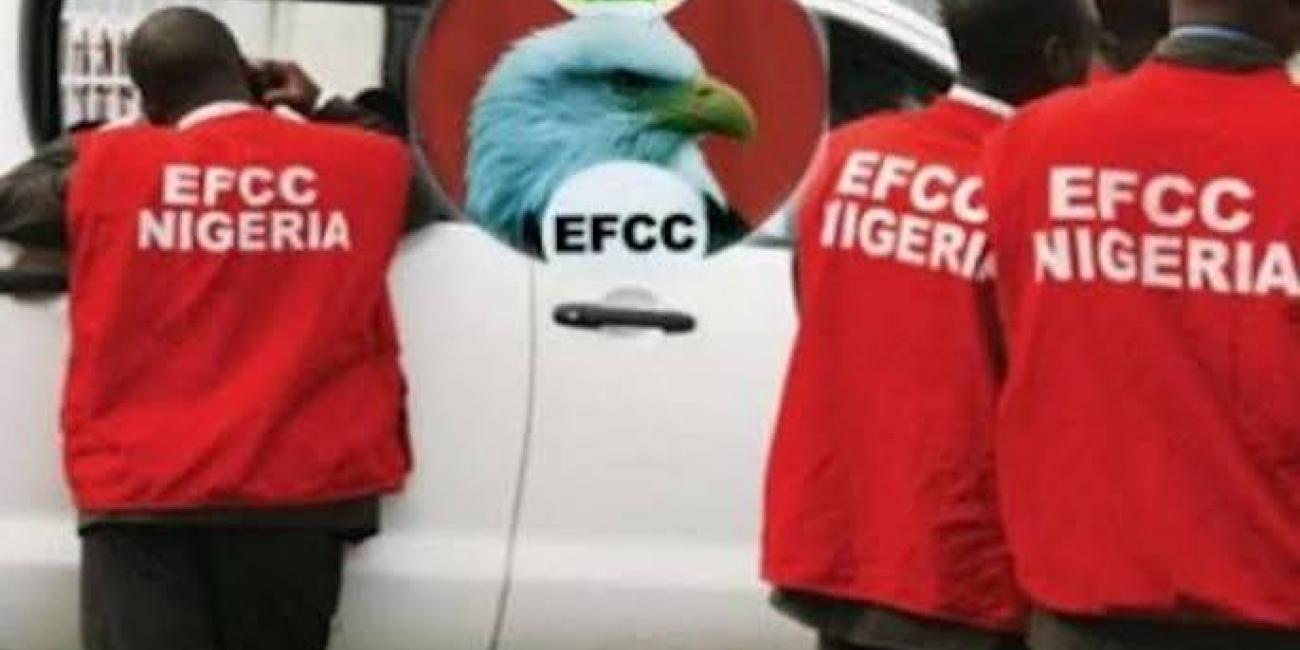
Lawyers representing two defendants facing corruption-related charges have asked the Economic and Financial Crimes Commission (EFCC) to remove their clients’ names and photographs from media publications linked to their ongoing criminal trial.
The lawyers argued that publishing the identities of the defendants in connection with the allegations could damage their reputations and create the impression that they had already been found guilty before the court reached a verdict.
The petition was submitted by J Aboje & Co., also known as Compass Chambers, on behalf of Folashade Oketope, a former chairwoman of the committee responsible for the sale of Federal Government houses in Abuja, and Mohammed Kabir Usman, a staff member of the Federal Capital Territory Administration (FCTA).
In a letter dated October 13, 2026, and addressed to the EFCC chairman, the law firm described the publications as an infringement on its clients’ constitutional rights, particularly the presumption of innocence and the right to dignity.
Lawyers Cite Presumption of Innocence
According to the petition, the letter followed an earlier correspondence dated July 28, 2026, concerning the publication of the defendants’ arraignment.
Oketope and Usman were arraigned before the Federal Capital Territory High Court in Jabi, Abuja, on July 13, 2026, on a three-count charge involving alleged conspiracy, breach of trust, corruption and the unlawful sale of government properties.
The allegations relate to the sale of four properties identified as Houses 3, 4, 7 and 8 at Plot 756, Abubakar Usman Crescent, Jabi, Abuja.
Oketope previously chaired the committee responsible for the sale of Federal Government houses in Abuja, while Usman was an FCTA employee seconded to the committee.
Their lawyers maintain that the defendants have not been convicted and should not be publicly portrayed as criminals while the case remains before the court.
The legal team also questioned whether the EFCC obtained permission from the court before publishing their clients’ names and photographs.
In the petition, the lawyers challenged the commission to explain whether it would apologise and withdraw the publications if the defendants were eventually acquitted.
Dispute Over Government Properties
The lawyers also referred to a separate case, identified as FCT/HC/CV/4094/2025, which they said was pending when the criminal proceedings began.
According to the petition, the separate suit concerns whether the properties in question belonged to the Federal Government and whether the committee could lawfully dispose of them.
The lawyers argued that the unresolved issues surrounding the ownership and sale of the properties should be considered alongside the criminal proceedings.
They urged the EFCC chairman to direct the removal of the disputed publications from all platforms where they appeared.
The legal team maintained that the defendants should be allowed to defend themselves in court without being subjected to what they described as prejudicial public exposure.
EFCC Reviewing Petition
The EFCC had not publicly responded to the specific allegations in the petition as of the time of the report.
However, a senior commission official, who spoke anonymously because they were not authorised to comment publicly, confirmed that the agency had received the petition.
The official reportedly said the commission’s legal team was reviewing the matter.
The dispute highlights the debate over how anti-corruption agencies communicate information about ongoing prosecutions while respecting the rights of defendants who have not been convicted.
For now, the request to remove the photographs remains a demand by the defendants’ lawyers, and the outcome of the ongoing court proceedings will determine the criminal allegations against their clients.
Crime & Conflict
₦110.4bn Fraud Trial: Witness Explains ₦1.425bn Forex Transactions Linked to Yahaya Bello Case
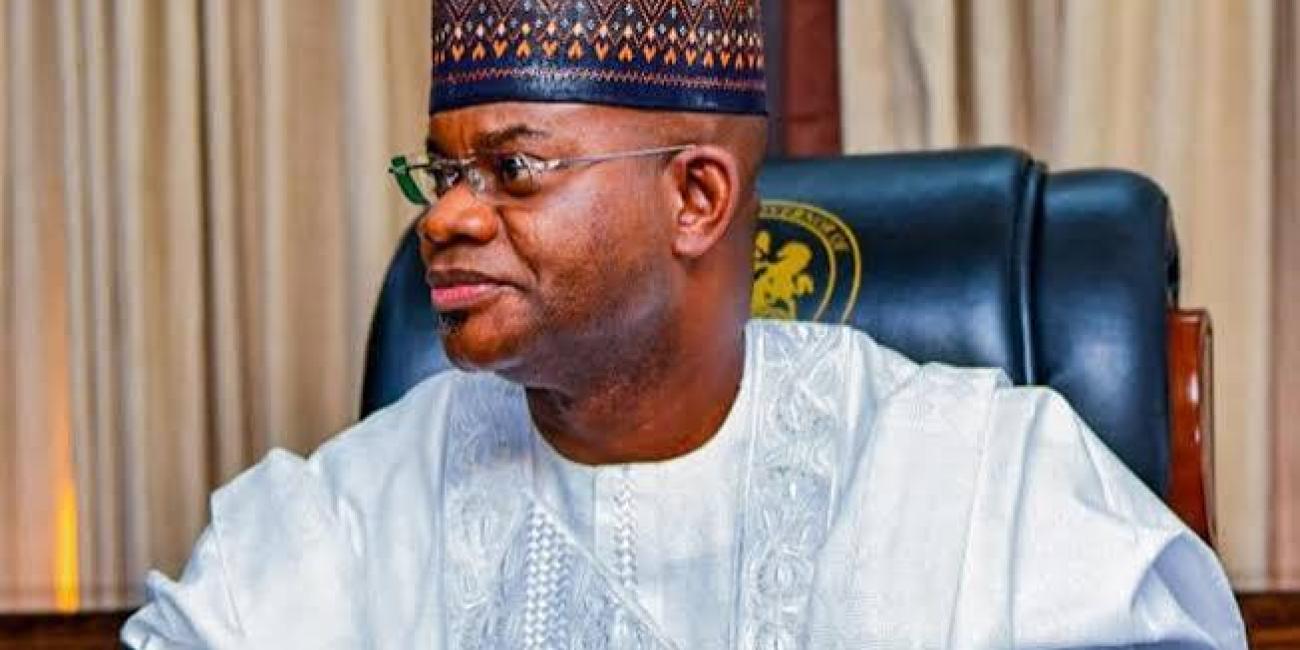
A bureeau de change operator, Jamilu Abdullahi, has told a court in Abuja that he handled foreign exchange transactions worth ₦1.425 billion on behalf of Abba Adaudu between December 2021 and February 2022.
Abdullahi, the 19th prosecution witness in the ongoing trial of former Kogi State Governor Yahaya Bello, gave the testimony on Thursday, October 15, 2026, before Justice Maryanne Anineh of the Federal Capital Territory High Court in Maitama, Abuja.
According to the witness, the transactions involved funds deposited into accounts associated with him and his company, Kunfayakun Global Limited. He told the court that the money was used to purchase foreign currencies, which he subsequently delivered to Adaudu.
The Economic and Financial Crimes Commission (EFCC) is prosecuting Bello alongside Umar Shuaibu Oricha and Abdulsalami Hudu over an alleged ₦110.4 billion fraud and money laundering scheme. The defendants are facing a 16-count charge.
Witness Explains Bank Transactions
While being led in evidence by prosecution counsel Kemi Pinheiro, SAN, Abdullahi identified several bank deposits and transfers recorded in accounts linked to him and his company.
He explained that some deposits of ₦10 million each made through a bank branch in Lokoja were connected to foreign exchange transactions arranged by Adaudu.
The witness maintained that the payments were not gifts but funds intended for purchasing United States dollars.
However, when questioned about other deposits recorded in his name, including transactions of ₦9 million and ₦8 million, Abdullahi denied making the deposits personally.
He told the court that he had never visited the Lokoja branch where some of the transactions were recorded, adding that his name could appear in transaction records as a beneficiary even when another person initiated the payment.
Abdullahi also identified several transfers involving companies he said were associated with Adaudu. He maintained that the funds were used for foreign exchange transactions and that he delivered the purchased currencies to Adaudu.
Witness Discusses School Fee Payments
The court also heard testimony concerning payments made to the American International School, Abuja.
Abdullahi said he processed school fee payments using account details and instructions provided by Adaudu. He identified Fatima Bello, Zahra Bello and Na’ima Bello as names familiar to him in connection with the transactions.
He further identified receipts presented in court as evidence of payments made to the school, explaining that he forwarded the receipts to Adaudu after completing the transactions.
During cross-examination by Abdullahi Yahaya, SAN, counsel to the first and second defendants, the witness said he had no direct dealings with any of the defendants.
When asked about the total amount he handed over to Adaudu, Abdullahi said he could not remember the exact figure because of the numerous transactions involved.
Court Adjourns Trial
Following the testimony, Justice Anineh adjourned the case until October 27 and November 24, 2026, for the continuation of proceedings.
The EFCC’s case centres on allegations that public funds belonging to Kogi State were unlawfully diverted and laundered. Bello and his co-defendants are facing prosecution over the allegations, which remain before the court.
The latest testimony forms part of the prosecution’s evidence in the ongoing trial. The allegations have yet to be determined by the court.

A Magistrate Court sitting in Bolade, Oshodi, Lagos State, has sentenced six men to two years in prison each for assaulting officials of the Lagos State Environmental Sanitation Corps, popularly known as Kick Against Indiscipline (KAI).
The conviction was announced on Thursday, October 15, 2026, by the Lagos State Commissioner for the Environment and Water Resources, Tokunbo Wahab.
According to Wahab, the six men were arrested in the Alakija area of Lagos on October 10 following an incident involving the assault of KAI officers who were carrying out their official duties.
The suspects were subsequently arraigned before the Magistrate Court in Bolade, Oshodi, where they pleaded guilty to the charges against them.
Following their guilty pleas, the court convicted each of the defendants and sentenced them to two years’ imprisonment.
The convicted men were identified as Ghadafi Ismail, Balarabe Mustapha, Usman Danladi, Abdullahi Bello, Kamala Garuba and Musa Idris.
Reacting to the development, Wahab stressed the importance of respecting public officials who carry out lawful duties on behalf of the government.
He warned that the Lagos State Government would not tolerate violence against enforcement officers, adding that offenders would face the consequences of their actions under the law.
The commissioner also urged residents to allow government officials to perform their statutory responsibilities without intimidation, obstruction or physical attacks.
The development underscores the state government’s position on protecting public officers and enforcing environmental regulations across Lagos State.
 Crime & Conflict2 days ago
El-Rufai Faces Fresh Allegations as Witness Tells Court of $600,000 EFCC Payment Plan
- Breaking Security News2 days ago
INEC Explains Why Pantami, Adebutu Were Omitted From 2027 Governorship Candidates List
- Terrorism & Insurgency2 days ago
Ribadu Raises Alarm as Terrorists Turn to AI, Cryptocurrency and Drones
- Breaking Security News2 days ago
2027 Elections: Timi Frank Asks Trump to Send US Delegation to Nigeria
- Crime & Conflict9 hours ago
₦110.4bn Fraud Trial: Witness Explains ₦1.425bn Forex Transactions Linked to Yahaya Bello Case
- Terrorism & Insurgency9 hours ago
Bandits Demand ₦500 Million Ransom for Pregnant Woman Abducted in Kaduna
- Terrorism & Insurgency9 hours ago
Nigerian Troops Overrun Lakurawa Base in Sokoto, Kill Fighters and Recover Weapons
- Crime & Conflict9 hours ago
Lagos Court Sentences Six Men to Two Years in Prison for Assaulting KAI Officers


