
Terrorism & Insurgency
Former Minister Warns Amnesty for Bandits Could Breed More Criminals — Urges Stronger Strategy to Tackle Insecurity in Nigeria

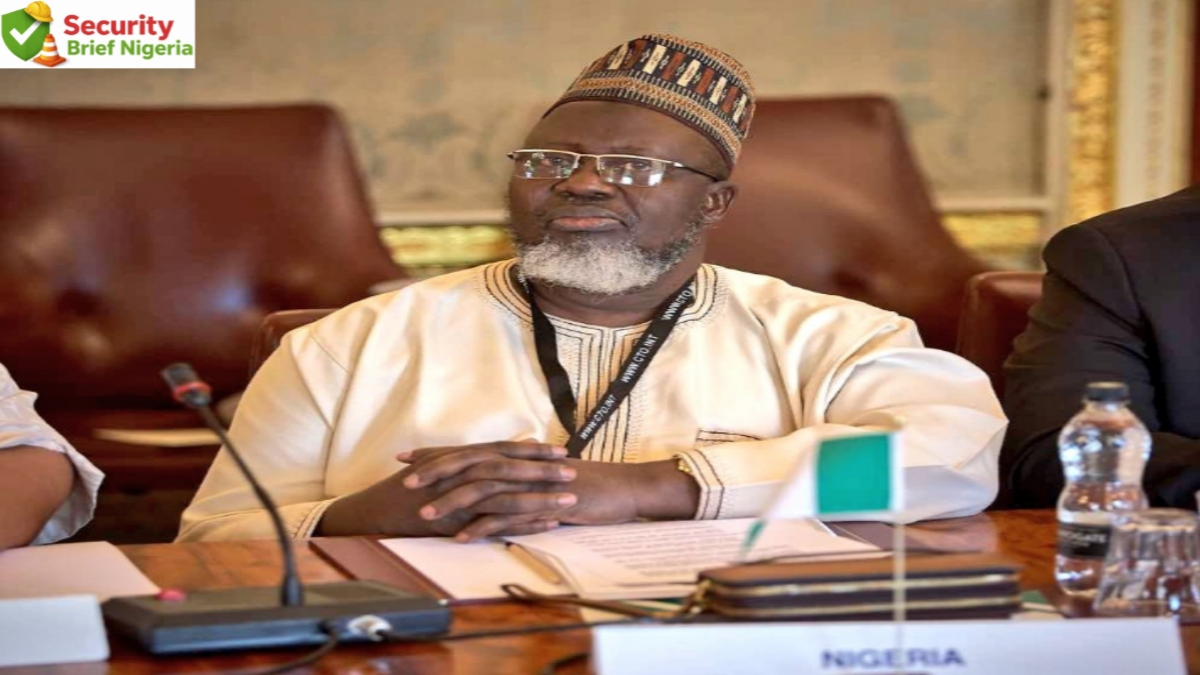
A former Minister of Communications, Chief Adebayo Shittu, has issued a strong warning against proposals to grant amnesty to bandit groups in Nigeria, saying such moves could unintentionally encourage more criminal activity rather than reduce insecurity. His remarks, made in a recent live broadcast on Eagle 102.5FM’s current affairs programme “Frontline,” fuel an ongoing national debate about how best to address rising attacks, kidnappings, and banditry across the country.
In a clear rejection of the idea that offering clemency and special status to bandits will solve Nigeria’s security problems, Shittu stressed that granting amnesty to individuals involved in organised crime would send the wrong message to society — one that could weaken deterrence and undermine the rule of law.
“If you give amnesty to hundreds of criminals, you might as well open the prisons,” Shittu said, warning that such decisions risked rewarding criminal conduct instead of punishing it.
Shittu’s Position on Amnesty and Banditry
Chief Shittu, who served as a minister under the administration of the late President Muhammadu Buhari, spoke passionately about the implications of amnesty proposals. He emphasised that offering blanket forgiveness or special treatment to suspected bandits could inadvertently normalise criminal behaviour and encourage others to take up arms, with the expectation of receiving similar concessions in the future.
This comment comes amid discussions and controversial moves in some states to release suspected bandits under peace arrangements with local communities — especially in parts of the North-West — as part of efforts to ease violence. Critics of these arrangements point out that while such peace initiatives may temporarily reduce attacks, they sometimes lack consequences for serious crimes and can embolden criminal groups to persist in violence.
Shittu firmly believes that strong justice and enforcement mechanisms, not amnesty, should be the cornerstone of Nigeria’s response to banditry. He cautioned that sanitising the actions of individuals engaged in livestock rustling, kidnapping, and mass murders through lenient state policies could lead to a surge in criminal ambitions rather than deter them.
Nationwide Debate on Security, Amnesty, and Peace Deals
Shittu’s remarks resonate with a broader national discussion about how Nigeria should balance security enforcement with efforts to reduce violence through negotiation and reintegration. Across the country, governments and stakeholders are divided on whether dialogue, conditional surrender, or hardline enforcement will yield the most sustainable results in confronting banditry and terrorism.
For example, some leaders and civic groups have advocated for structured amnesty programmes — similar to what was implemented for Niger Delta militants years ago — as a pathway to encourage violent actors to abandon crime and reintegrate into society through education and rehabilitation. Proponents argue that addressing the socio-economic drivers of banditry, such as youth unemployment and marginalisation, should be complemented by opportunities for reform and community reintegration.
However, critics like Shittu warn that without strict conditions, justice, and accountability, such measures risk being counter-productive.
Supporters of Strict Enforcement Argue:
- Amnesty may signal impunity for kidnapping, murder, and robbery.
- Criminals could interpret clemency as a reward — encouraging more violence.
- Peace deals could undermine the morale of security forces who risk their lives to protect citizens.
- The rule of law must be upheld to deter future offences.
Advocates for Conditional Reintegration Argue:
- Rehabilitation can help steer misguided youths away from violence.
- Peace deals can reduce immediate suffering in conflict-affected areas.
- Integrated support — education, jobs, counselling — may address root causes.
Shittu’s position aligns with the view that Nigeria should emphasise accountability and deterrence first, focusing on justice, rehabilitation that follows due process, and strengthened enforcement before contemplating any amnesty measures.
Government and Civil Society Reactions
Shittu’s warning has already sparked reactions from various quarters.
Opposition figures and civil society groups have also expressed concern over proposals to release suspected criminals as part of negotiated peace deals. A recent statement from the African Democratic Congress (ADC) condemned actions by some state governments to release suspected bandits, describing such moves as irresponsible and likely to embolden outlaw groups rather than deter them.
Meanwhile, state governments engaged in peace arrangements with armed groups have defended their approaches as essential to reducing immediate violence and protecting vulnerable communities, though such strategies remain deeply contentious.
At the federal level, President Bola Tinubu’s administration has signalled unwavering commitment to treating armed bandits, kidnappers and violent cult groups as terrorists under a strengthened national security framework — a shift aimed at empowering security agencies to pursue perpetrators and their sponsors more effectively.
Security Context: Why This Debate Matters
Nigeria continues to grapple with multiple fronts of insecurity, including insurgency in the North-East, banditry in the North-West, communal clashes in central states, and criminal kidnapping networks in various regions. This has created
- significant humanitarian challenges,
- displacement of communities,
- economic losses,
- erosion of public trust in security mechanisms.
With dozens of mass abductions, ambushes, and village raids reported across multiple states in recent months, public demand for effective action has intensified. Many Nigerians argue that any perceived leniency toward armed criminals could undermine progress and put more communities at risk, while others advocate for comprehensive strategies combining security enforcement with rehabilitation and reintegration.
Shittu’s Broader View on National Stability
Beyond the immediate security debate, Shittu also touched on the wider implications of persistent insecurity for Nigeria’s social fabric. He warned that failing to hold violent actors accountable could weaken confidence in government institutions, fuel cycles of violence, and discourage investment and development in affected regions.
He reiterated that security must be anchored in justice, deterrence, accountability and community support, and that any strategy falling short of these principles risks prolonging chronic instability.
What Experts Say
Security analysts generally agree that:
- Purely militaristic responses can push criminals deeper into hiding but do not necessarily address why individuals resort to violence.
- Amnesty without conditions or accountability may inadvertently weaken deterrent effects and lead to recidivism.
- Integrated approaches — combining law enforcement, socio-economic support, community engagement, and reintegration programmes — may offer more sustainable outcomes when properly implemented.
The current debate on bandit amnesty in Nigeria reflects these broader tensions between short-term peace and long-term security goals.
Public Opinion and the Road Ahead
As discussions continue, many Nigerians are watching closely. Social media debates, community meetings, and opinion panels are increasingly focusing on:
- the moral implications of amnesty for violent actors,
- the role of justice and punishment,
- the effectiveness of rehabilitation measures,
- and the best way to protect communities without compromising law and order.
Ultimately, the path forward may require a blend of strong judicial action, community-led peacebuilding, strategic reintegration programmes, and resolute enforcement of laws against organised crime.
Conclusion
Chief Adebayo Shittu’s warning against granting amnesty to suspected bandits has reignited a national debate on how best to tackle Nigeria’s deepening insecurity. While advocates of peace deals argue that negotiation and rehabilitation have roles to play in ending violence, critics caution that clemency without consequences risks breeding more criminals and eroding public confidence in the justice system.
As the debate unfolds, many analysts argue that Nigeria’s response must be multidimensional — combining robust security, accountability, socio-economic upliftment, and targeted reintegration — to ensure stability, protect citizens, and uphold the rule of law in the face of escalating threats.

Terrorism & Insurgency
Nigerian Troops Overrun Lakurawa Base in Sokoto, Kill Fighters and Recover Weapons

Nigerian troops have overrun a suspected Lakurawa terrorist hideout in Sokoto State, reportedly killing several fighters, destroying camps and recovering weapons and five motorcycles during a military clearance operation.
The operation was carried out on Thursday, October 15, 2026, in Waria Forest, Tangaza Local Government Area of Sokoto State, as part of ongoing efforts to dismantle armed groups operating in north-western Nigeria.
According to the military, troops serving under the Joint Task Force North West, Operation FANSAN YAMMA, launched the operation to disrupt the activities of the Lakurawa armed group and prevent it from using remote forest locations as safe havens.
Troops Engage Lakurawa Fighters in Gun Battle
In a statement issued by Lieutenant Colonel Aliyu Danja, the task force’s media information officer, soldiers from Sector 2 advanced towards Waria Forest after moving through identified militant locations around Alela, Bilange and Kandam villages.
The troops reportedly encountered armed fighters during the advance, leading to a gun battle.
According to the military, the soldiers overwhelmed the fighters with superior firepower, forcing them to abandon their positions and retreat deeper into the forest.
The troops subsequently pursued the fleeing fighters, killing several of them during the operation, the statement said.
However, the military did not disclose the exact number of fighters killed.
Terrorist Camps Destroyed, Weapons Recovered
Following the confrontation, troops conducted additional searches across the area.
The military said the operation led to the destruction of the group’s camps and associated support structures believed to have sustained its activities in the forest.
Soldiers also recovered weapons and five motorcycles during the clearance operation.
The military statement did not specify the types or quantities of weapons recovered.
The destruction of the camps is expected to disrupt the group’s ability to use the locations as operational bases, although the full impact of the operation was not immediately clear.
Military Intensifies Operations in Sokoto
The Theatre Command said troops had maintained a strong presence in the area and continued clearance operations aimed at restricting the movement of armed groups and improving security in surrounding communities.
The operation forms part of broader military efforts to dismantle terrorist hideouts, deny armed groups access to safe havens and prevent fighters from regrouping after military engagements.
The command commended the troops for their efforts and urged residents to support security operations by providing credible information about suspicious movements and activities in their communities.
It also emphasised the importance of cooperation between security agencies and local residents in efforts to improve safety across the region.
Security Challenges Persist in Nigeria’s North-West
Parts of north-western Nigeria have experienced persistent security challenges involving armed groups accused of carrying out attacks, kidnappings and other violent crimes.
Military operations have targeted suspected hideouts in remote areas, including forests that can provide cover for armed groups.
The latest operation in Tangaza represents another effort by Nigerian security forces to disrupt the activities of the Lakurawa group in Sokoto State.
While the military has reported progress from the operation, further details about the number of casualties and the full extent of the recovered weapons have not been released.
Residents have been encouraged to remain vigilant and report credible information about suspicious activities to the appropriate security authorities.

The family of a pregnant woman identified as Jamila is appealing for urgent help after suspected bandits reportedly demanded ₦500 million for her release following her abduction in Millennium City, Kaduna State.
According to reports, the abductors contacted her husband, Abdulkadir Bello, and demanded the huge ransom while the woman remained in captivity.
Jamila was reportedly abducted during a nighttime attack on Alrahus Estate in Millennium City, located in the Chikun Local Government Area of Kaduna State.
The circumstances surrounding her current condition remain unclear, raising concerns about her safety and the wellbeing of her unborn child.
Security Reporter Calls for Urgent Intervention
A local security reporter, Bakatsine, raised the alarm over Jamila’s continued detention in a post calling on security agencies, government authorities and members of the public to help secure her release.
The appeal followed reports that Ahmed Abubakar Zakka and his family, who were also abducted in the same area, had attracted public attention after a distressing video from captivity circulated online.
Bakatsine urged Nigerians not to overlook Jamila’s situation, stressing the need for urgent action to bring her home safely.
The security reporter also disclosed that Jamila had reportedly sent a message expressing fear for her life while appealing for assistance.
Her continued detention has heightened concerns among relatives and others following the case, particularly because of her pregnancy and the possibility that she may require medical care.
Husband Reportedly Receives Ransom Demand
Jamila’s husband, Abdulkadir Bello, was reportedly in Abuja when the attack occurred.
According to earlier reports, Bello said his wife contacted him around 11:30 p.m. to inform him that armed men were attempting to force their way into their compound.
He said he tried to contact the police but could not get through, prompting him to reach out to the military, which reportedly deployed personnel to the area.
However, the attackers allegedly abducted his pregnant wife during the incident and later contacted him with a ransom demand.
The reported ₦500 million demand presents a significant challenge for the family as they seek to secure her freedom.
Concerns Over Kidnappings in Kaduna
The abduction has renewed concerns about insecurity in Millennium City and surrounding communities in Kaduna State, where residents have continued to face threats from armed groups.
The same attack reportedly involved the abduction of Ahmed Abubakar Zakka, his wife and their six-month-old daughter. Reports indicated that the kidnappers demanded ₦300 million for the family’s release.
The incidents have prompted appeals for security agencies to intensify efforts to rescue those being held captive.
As of the latest reports, it was unclear whether a rescue operation had commenced or whether authorities had made any official statement specifically addressing Jamila’s case.
Her family and concerned Nigerians continue to hope for her safe return, with calls for urgent intervention to protect both the pregnant woman and her unborn child.
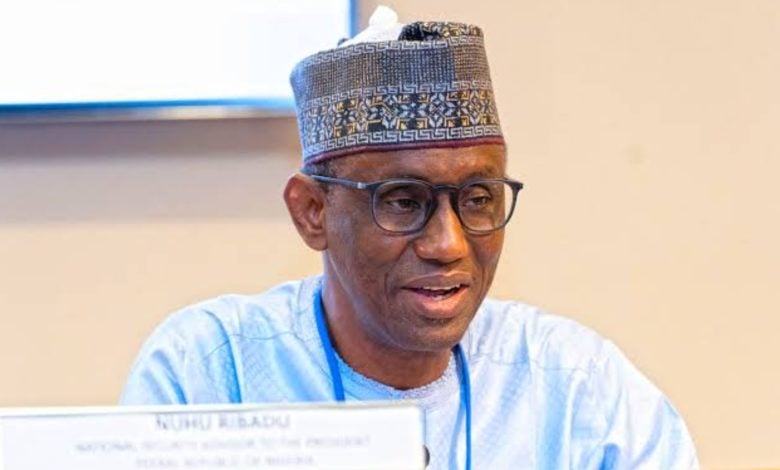
Nigeria’s National Security Adviser, Nuhu Ribadu, has warned that terrorist groups are increasingly exploiting artificial intelligence (AI), cryptocurrency, drones and social media to finance their activities, recruit members and evade security agencies across West Africa and the Sahel.
Ribadu issued the warning in Abuja on Tuesday, October 13, 2026, during a regional training conference focused on detecting and disrupting terrorists’ use of information and communication technologies.
The National Security Adviser was represented at the event by the National Coordinator of the National Counter Terrorism Centre (NCTC), Major General Adamu Garba Laka.
According to Ribadu, the growing use of emerging technologies by terrorist organisations presents new challenges for Nigeria and neighbouring countries, requiring security agencies to strengthen their intelligence capabilities and improve cooperation across national borders.
He stressed that governments must develop the technical expertise needed to identify threats early and prevent attacks before they occur.
How Terrorists Are Exploiting Emerging Technologies
Ribadu said terrorist groups were increasingly using digital platforms to spread propaganda, influence vulnerable individuals, raise funds and coordinate operations across national borders.
He warned that artificial intelligence could help extremist organisations produce targeted propaganda, while drones and autonomous systems could expand their operational capabilities.
Cryptocurrencies and other digital financial services, he added, could create additional channels for financing activities and moving funds.
“Emerging technologies add further complexity,” Ribadu said in remarks delivered at the conference, stressing the need for security agencies to improve their ability to anticipate, detect, analyse and disrupt threats.
He explained that responding to these challenges would require more than purchasing sophisticated surveillance equipment.
According to the National Security Adviser, Nigeria and other countries in the region must invest in skilled personnel, strengthen institutions and improve intelligence-sharing arrangements.
He also emphasised the importance of exchanging actionable cyber threat information quickly, particularly when suspected criminal networks operate across multiple countries.
Boko Haram, ISWAP Among Groups Identified
The Acting Director of the African Union Counter-Terrorism Centre, Idriss Lalalli, also warned that terrorist organisations were expanding their use of digital technologies to support recruitment, financing, communication and operational planning.
He identified Boko Haram, the Islamic State West Africa Province (ISWAP) and Jama’at Nusrat al-Islam wal-Muslimin (JNIM) among the groups exploiting technology across West Africa and the Sahel.
According to Lalalli, extremist organisations use social media to reach potential recruits, while mobile money services, gift cards and cryptocurrencies can be exploited to move or conceal funds.
He also highlighted concerns about the use of drones, satellite communications, artificial intelligence and online marketplaces by terrorist networks.
Lalalli warned that the speed at which these technologies evolve could make it difficult for security agencies to respond effectively, especially in countries where technical expertise and investigative resources remain limited.
He called for stronger regional partnerships and greater cooperation between governments and private-sector operators.
Regional Security Agencies to Receive Specialised Training
The three-day conference, running from October 13 to 15, 2026, was organised by the National Counter Terrorism Centre under the Office of the National Security Adviser in collaboration with the African Union Counter-Terrorism Centre.
The programme is designed to equip security personnel from West Africa and the Sahel with practical skills for investigating technology-related threats.
Areas covered include cyber threat intelligence, open-source intelligence, digital forensics and blockchain analysis.
These capabilities are intended to help investigators identify online recruitment activities, preserve electronic evidence, examine suspicious digital transactions and trace funds suspected of supporting terrorist operations.
The training also focuses on strengthening the ability of security agencies to turn digital intelligence into evidence that can support criminal investigations and prosecutions.
Lalalli stressed that identifying extremist propaganda online would not be enough without the ability to preserve evidence, investigate financial links and present reliable findings before a court.
He also called for stronger working relationships with social media companies, telecommunications operators and financial service providers.
According to him, cooperation with private companies is important because many of the digital platforms and financial services that terrorists may exploit are operated outside government institutions.
Nigeria Seeks Stronger Counterterrorism Cooperation
Ribadu disclosed that Nigeria was working with the African Union Counter-Terrorism Centre to secure regional accreditation for the National Counter Terrorism Centre as a centre of excellence for counterterrorism in West Africa and the Sahel.
The proposed recognition is intended to strengthen Nigeria’s role in regional counterterrorism efforts and support cooperation among countries confronting extremist violence.
The initiative follows President Bola Tinubu’s declaration at the High-Level Africa Counterterrorism Summit held in April 2024.
Ribadu maintained that no single institution or country could defeat terrorism without cooperation from other stakeholders.
The conference brought together representatives of West African and Sahelian countries, the African Union, the Economic Community of West African States (ECOWAS), the Multinational Joint Task Force and other regional and international organisations.
Participants are expected to share expertise and strengthen their capacity to detect, investigate and disrupt technology-enabled terrorist activities.
What This Means for Nigeria’s Security Efforts
The warning highlights the growing importance of digital intelligence in counterterrorism operations.
As terrorist groups potentially exploit online platforms, digital financial services and emerging technologies, security agencies face the challenge of adapting their investigative methods while ensuring that evidence is collected and handled according to the law.
Improved intelligence-sharing arrangements, specialised training and cooperation with technology companies could help authorities identify suspicious activities and respond more effectively to cross-border threats.
For Nigeria, the challenge extends beyond acquiring modern equipment. It also involves building the expertise, institutional capacity and regional partnerships needed to respond to an evolving security environment.
The Abuja conference is part of ongoing efforts to strengthen those capabilities across West Africa and the Sahel.
 Crime & Conflict2 days ago
El-Rufai Faces Fresh Allegations as Witness Tells Court of $600,000 EFCC Payment Plan
- Breaking Security News2 days ago
2027 Elections: Timi Frank Asks Trump to Send US Delegation to Nigeria
- Terrorism & Insurgency2 days ago
Ribadu Raises Alarm as Terrorists Turn to AI, Cryptocurrency and Drones
- Crime & Conflict5 hours ago
₦110.4bn Fraud Trial: Witness Explains ₦1.425bn Forex Transactions Linked to Yahaya Bello Case
- Terrorism & Insurgency5 hours ago
Bandits Demand ₦500 Million Ransom for Pregnant Woman Abducted in Kaduna
- Breaking Security News2 days ago
INEC Explains Why Pantami, Adebutu Were Omitted From 2027 Governorship Candidates List
- Crime & Conflict6 hours ago
Lagos Court Sentences Six Men to Two Years in Prison for Assaulting KAI Officers
- Crime & Conflict5 hours ago
Lawyers Ask EFCC to Remove Photos of Clients Facing Corruption Charges


