
Crime & Conflict
Six Arrested in Gombe Over Alleged Child Abduction Case: Police Launch Expanded Investigation


The Gombe State Police Command has arrested six individuals in connection with the alleged abduction of a six-year-old boy, an incident that has captured significant public attention and renewed concerns about child safety within rural communities across Nigeria. The case, which spans across two states and involves multiple suspects, has prompted authorities to deepen investigations to determine the motive behind the abduction and the roles played by each of the individuals currently in custody.
The victim, identified as Habibu Appolos, disappeared from Nyuwar Village in Balanga Local Government Area in August 2025. For months, the child’s whereabouts remained unknown, leaving the family and local community distressed and uncertain about what had happened to him. It was not until January 22, 2026, that a major breakthrough occurred following the discovery of the boy in the custody of a teenage girl in a nearby community.
According to early reports received by investigative sources, the child was found with a 14-year-old girl named Zubaina Abubakar, who resides in the Kumuru area near Nyuwar. Upon questioning by security personnel, the young girl reportedly revealed additional names and details that widened the case far beyond initial assumptions.
Her statements eventually led to the arrest of five more individuals:
- Oborona Obidah, 28,
- Habiba Isa, 45,
- Gidado Ibrahim, 30,
- Yunusa Kura, 45, and
- another individual whose identity is being held pending further verification.
Police investigators have indicated that the chain of actions revealed during preliminary questioning points toward a coordinated effort involving movement of the child across different locations.
A Case That Shocked the Community
For many residents of Nyuwar and surrounding villages, the disappearance of six-year-old Habibu was a deeply unsettling event. Community leaders shared that families in the area often allow their children to play outdoors and visit neighbors, given the traditionally safe and closely knit nature of rural settlements.
The sudden disappearance in August 2025, therefore, brought significant distress. Search efforts by family members, villagers, and local vigilante groups were immediately launched, but no meaningful trace of the boy surfaced for months.
Multiple community elders recalled the anxiety that occupied the village during that period. Parents became more cautious, movement after dusk reduced drastically, and discussions about security became common in daily interactions. The mystery remained unsolved until the discovery in early 2026, which reopened emotional wounds while finally providing some relief that the boy had at least been located alive.
How the Breakthrough Happened
The key turning point occurred when local security personnel received intelligence indicating the presence of a child who matched the description of the missing boy. Acting swiftly, operatives traced the information to Kumuru, a settlement close to Nyuwar, where they found the boy under the care of 14-year-old Zubaina Abubakar.
Though young, Zubaina’s name became central to the investigation following her statements to the authorities. She reportedly told interrogators that the child had been handed over to her by Oborona Obidah, a 28-year-old man believed to have played an intermediary role.
Her account suggested that Oborona allegedly delivered the child to her grandparents at an earlier time and later instructed her on subsequent movements regarding the boy. This revelation helped investigators piece together the individuals who interacted with the child between the time of his disappearance and the day he was found.
Suspected Links and Motives Under Investigation
Among those mentioned by Zubaina was Habiba Isa, a 45-year-old resident of Lafiya in Lamurde Local Government Area of Adamawa State. She reportedly instructed Zubaina to take the child to another individual named Gidado Ibrahim, aged 30, residing in Sibo Village.
This chain of handovers, as narrated by those involved, suggests a coordinated operation involving several individuals living in different communities and possibly motivated by a common purpose. According to preliminary findings, investigators have reason to believe that the child may have been abducted for ritual-related activities, although authorities have stressed that definitive conclusions will only be made when all facts are verified.
One of the suspects, Yunusa Kura, 45, from Kumtur Village, has been identified by police as the alleged ritual practitioner in the group. While details surrounding his suspected involvement remain under careful review, his arrest has become a major focal point in expanding the investigation.
Law enforcement sources, however, have been deliberate in avoiding speculative claims, emphasizing that the ongoing investigation must confirm whether the motive was indeed ritual-related or connected to any other forms of criminal intent.
Police Response and Continuing Investigation
The Gombe State Police Command confirmed that all the identified suspects are currently in custody as part of continuing investigative efforts. Officers involved in the case have been documenting information from each suspect to establish the timeline of the abduction, the movement of the child, and the roles played by all those named.
Authorities have indicated that forensic analysis, community interviews, and inter-state collaboration will be vital to unraveling the case thoroughly. The investigation spans both Gombe and Adamawa States, requiring coordination between multiple police divisions and local intelligence units.
Police spokespeople have reassured the public that the safety of children remains a high priority and that the command is committed to ensuring all individuals involved in any unlawful activity face due legal processes.
Community Reaction and Renewed Calls for Safety Measures
News of the arrests has brought a mix of relief and renewed concern to residents of Nyuwar, Kumuru, Balanga LGA, and adjoining communities. While many expressed gratitude that the young boy was found alive months after his disappearance, others voiced worries about the vulnerability of children in rural areas.
Parents and community leaders have emphasized the need for:
- enhanced child-monitoring practices,
- stronger community vigilance,
- more coordinated communication networks, and
- improved collaboration with security agencies.
Village heads also highlighted the importance of educating children about personal safety, especially in communities where children frequently move around independently.
Broader Issues: Child Abduction in Rural Nigeria
While incidents like this are not widespread in every community, experts say that scattered cases of child abduction in rural regions reflect broader challenges, including:
- limited surveillance infrastructure,
- inadequate security presence,
- porous community boundaries,
- and reliance on informal reporting systems.
Security analysts note that strengthening local policing, improving neighborhood alert systems, and ensuring community participation in early reporting could significantly reduce risks.
Non-governmental organizations working in child protection have also pointed out the need for more robust awareness programs that teach children and families practical safety habits.
This case, they argue, should trigger ongoing conversations about protecting minors, reinforcing community resilience, and expanding channels for reporting suspicious activities.
Legal Processes Ahead
The next phase for the suspects involves continued interrogation, documentation of evidence, and eventual arraignment when investigations reach a conclusive stage. Depending on findings, charges may involve:
- conspiracy,
- unlawful abduction,
- endangerment of a minor,
- and other offenses under state and federal laws.
The police have also stated that additional arrests could occur if new information reveals further collaborators or supporters.
Legal experts following the case say the courts will ultimately determine each suspect’s responsibility based on the evidence presented. Ensuring a fair process, they note, is crucial both for justice and for reinforcing public confidence in the legal system.
Family’s Relief and Ongoing Support
The family of the rescued boy has been cooperating with investigators and receiving community support. Although relieved that their child was found unharmed months after his disappearance, they continue to work with authorities to provide information that may help resolve the remaining questions.
Social welfare officers have also stepped in to monitor the child’s physical and emotional well-being, a necessary step given the extended period he spent away from home.
Conclusion: A Case That Reinforces the Need for Vigilance
The arrest of six suspects in relation to the alleged abduction of a young boy in Gombe State has reopened conversations about child safety, community cooperation, and the importance of prompt reporting of unusual incidents. Although the investigation remains ongoing, the progress made so far demonstrates the role of community intelligence and active policing in preventing harm and bringing suspected offenders before the law.
Authorities have encouraged citizens to remain vigilant, report concerns promptly, and support efforts aimed at ensuring safer communities across the region.

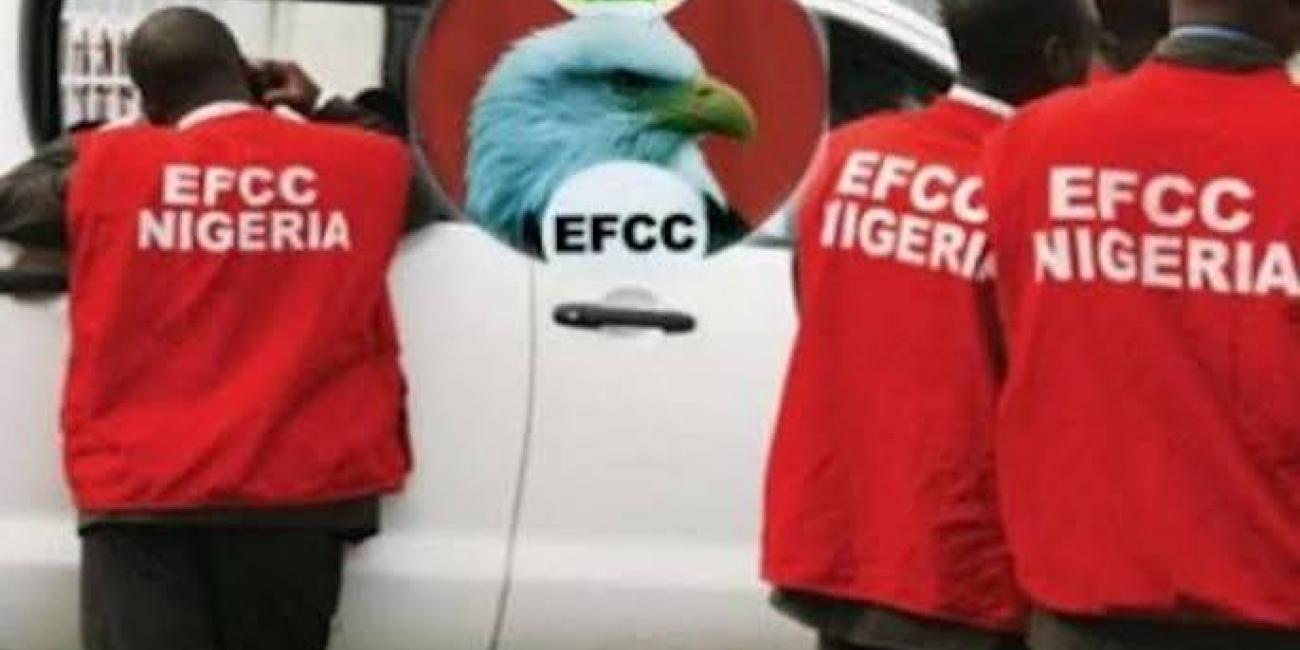
Lawyers Ask EFCC to Remove Photos of Clients Facing Corruption Charges
Lawyers representing two defendants facing corruption-related charges have asked the Economic and Financial Crimes Commission (EFCC) to remove their clients’ names and photographs from media publications linked to their ongoing criminal trial.
The lawyers argued that publishing the identities of the defendants in connection with the allegations could damage their reputations and create the impression that they had already been found guilty before the court reached a verdict.
The petition was submitted by J Aboje & Co., also known as Compass Chambers, on behalf of Folashade Oketope, a former chairwoman of the committee responsible for the sale of Federal Government houses in Abuja, and Mohammed Kabir Usman, a staff member of the Federal Capital Territory Administration (FCTA).
In a letter dated October 13, 2026, and addressed to the EFCC chairman, the law firm described the publications as an infringement on its clients’ constitutional rights, particularly the presumption of innocence and the right to dignity.
Lawyers Cite Presumption of Innocence
According to the petition, the letter followed an earlier correspondence dated July 28, 2026, concerning the publication of the defendants’ arraignment.
Oketope and Usman were arraigned before the Federal Capital Territory High Court in Jabi, Abuja, on July 13, 2026, on a three-count charge involving alleged conspiracy, breach of trust, corruption and the unlawful sale of government properties.
The allegations relate to the sale of four properties identified as Houses 3, 4, 7 and 8 at Plot 756, Abubakar Usman Crescent, Jabi, Abuja.
Oketope previously chaired the committee responsible for the sale of Federal Government houses in Abuja, while Usman was an FCTA employee seconded to the committee.
Their lawyers maintain that the defendants have not been convicted and should not be publicly portrayed as criminals while the case remains before the court.
The legal team also questioned whether the EFCC obtained permission from the court before publishing their clients’ names and photographs.
In the petition, the lawyers challenged the commission to explain whether it would apologise and withdraw the publications if the defendants were eventually acquitted.
Dispute Over Government Properties
The lawyers also referred to a separate case, identified as FCT/HC/CV/4094/2025, which they said was pending when the criminal proceedings began.
According to the petition, the separate suit concerns whether the properties in question belonged to the Federal Government and whether the committee could lawfully dispose of them.
The lawyers argued that the unresolved issues surrounding the ownership and sale of the properties should be considered alongside the criminal proceedings.
They urged the EFCC chairman to direct the removal of the disputed publications from all platforms where they appeared.
The legal team maintained that the defendants should be allowed to defend themselves in court without being subjected to what they described as prejudicial public exposure.
EFCC Reviewing Petition
The EFCC had not publicly responded to the specific allegations in the petition as of the time of the report.
However, a senior commission official, who spoke anonymously because they were not authorised to comment publicly, confirmed that the agency had received the petition.
The official reportedly said the commission’s legal team was reviewing the matter.
The dispute highlights the debate over how anti-corruption agencies communicate information about ongoing prosecutions while respecting the rights of defendants who have not been convicted.
For now, the request to remove the photographs remains a demand by the defendants’ lawyers, and the outcome of the ongoing court proceedings will determine the criminal allegations against their clients.
Crime & Conflict
₦110.4bn Fraud Trial: Witness Explains ₦1.425bn Forex Transactions Linked to Yahaya Bello Case

A bureeau de change operator, Jamilu Abdullahi, has told a court in Abuja that he handled foreign exchange transactions worth ₦1.425 billion on behalf of Abba Adaudu between December 2021 and February 2022.
Abdullahi, the 19th prosecution witness in the ongoing trial of former Kogi State Governor Yahaya Bello, gave the testimony on Thursday, October 15, 2026, before Justice Maryanne Anineh of the Federal Capital Territory High Court in Maitama, Abuja.
According to the witness, the transactions involved funds deposited into accounts associated with him and his company, Kunfayakun Global Limited. He told the court that the money was used to purchase foreign currencies, which he subsequently delivered to Adaudu.
The Economic and Financial Crimes Commission (EFCC) is prosecuting Bello alongside Umar Shuaibu Oricha and Abdulsalami Hudu over an alleged ₦110.4 billion fraud and money laundering scheme. The defendants are facing a 16-count charge.
Witness Explains Bank Transactions
While being led in evidence by prosecution counsel Kemi Pinheiro, SAN, Abdullahi identified several bank deposits and transfers recorded in accounts linked to him and his company.
He explained that some deposits of ₦10 million each made through a bank branch in Lokoja were connected to foreign exchange transactions arranged by Adaudu.
The witness maintained that the payments were not gifts but funds intended for purchasing United States dollars.
However, when questioned about other deposits recorded in his name, including transactions of ₦9 million and ₦8 million, Abdullahi denied making the deposits personally.
He told the court that he had never visited the Lokoja branch where some of the transactions were recorded, adding that his name could appear in transaction records as a beneficiary even when another person initiated the payment.
Abdullahi also identified several transfers involving companies he said were associated with Adaudu. He maintained that the funds were used for foreign exchange transactions and that he delivered the purchased currencies to Adaudu.
Witness Discusses School Fee Payments
The court also heard testimony concerning payments made to the American International School, Abuja.
Abdullahi said he processed school fee payments using account details and instructions provided by Adaudu. He identified Fatima Bello, Zahra Bello and Na’ima Bello as names familiar to him in connection with the transactions.
He further identified receipts presented in court as evidence of payments made to the school, explaining that he forwarded the receipts to Adaudu after completing the transactions.
During cross-examination by Abdullahi Yahaya, SAN, counsel to the first and second defendants, the witness said he had no direct dealings with any of the defendants.
When asked about the total amount he handed over to Adaudu, Abdullahi said he could not remember the exact figure because of the numerous transactions involved.
Court Adjourns Trial
Following the testimony, Justice Anineh adjourned the case until October 27 and November 24, 2026, for the continuation of proceedings.
The EFCC’s case centres on allegations that public funds belonging to Kogi State were unlawfully diverted and laundered. Bello and his co-defendants are facing prosecution over the allegations, which remain before the court.
The latest testimony forms part of the prosecution’s evidence in the ongoing trial. The allegations have yet to be determined by the court.

A Magistrate Court sitting in Bolade, Oshodi, Lagos State, has sentenced six men to two years in prison each for assaulting officials of the Lagos State Environmental Sanitation Corps, popularly known as Kick Against Indiscipline (KAI).
The conviction was announced on Thursday, October 15, 2026, by the Lagos State Commissioner for the Environment and Water Resources, Tokunbo Wahab.
According to Wahab, the six men were arrested in the Alakija area of Lagos on October 10 following an incident involving the assault of KAI officers who were carrying out their official duties.
The suspects were subsequently arraigned before the Magistrate Court in Bolade, Oshodi, where they pleaded guilty to the charges against them.
Following their guilty pleas, the court convicted each of the defendants and sentenced them to two years’ imprisonment.
The convicted men were identified as Ghadafi Ismail, Balarabe Mustapha, Usman Danladi, Abdullahi Bello, Kamala Garuba and Musa Idris.
Reacting to the development, Wahab stressed the importance of respecting public officials who carry out lawful duties on behalf of the government.
He warned that the Lagos State Government would not tolerate violence against enforcement officers, adding that offenders would face the consequences of their actions under the law.
The commissioner also urged residents to allow government officials to perform their statutory responsibilities without intimidation, obstruction or physical attacks.
The development underscores the state government’s position on protecting public officers and enforcing environmental regulations across Lagos State.
 Terrorism & Insurgency1 day ago
Bandits Demand ₦500 Million Ransom for Pregnant Woman Abducted in Kaduna
- Crime & Conflict3 days ago
El-Rufai Faces Fresh Allegations as Witness Tells Court of $600,000 EFCC Payment Plan
- Terrorism & Insurgency3 days ago
Ribadu Raises Alarm as Terrorists Turn to AI, Cryptocurrency and Drones
- Breaking Security News3 days ago
2027 Elections: Timi Frank Asks Trump to Send US Delegation to Nigeria
- Breaking Security News3 days ago
INEC Explains Why Pantami, Adebutu Were Omitted From 2027 Governorship Candidates List
- Crime & Conflict1 day ago
₦110.4bn Fraud Trial: Witness Explains ₦1.425bn Forex Transactions Linked to Yahaya Bello Case
- Crime & Conflict1 day ago
Lagos Court Sentences Six Men to Two Years in Prison for Assaulting KAI Officers
- Crime & Conflict1 day ago
Lawyers Ask EFCC to Remove Photos of Clients Facing Corruption Charges


